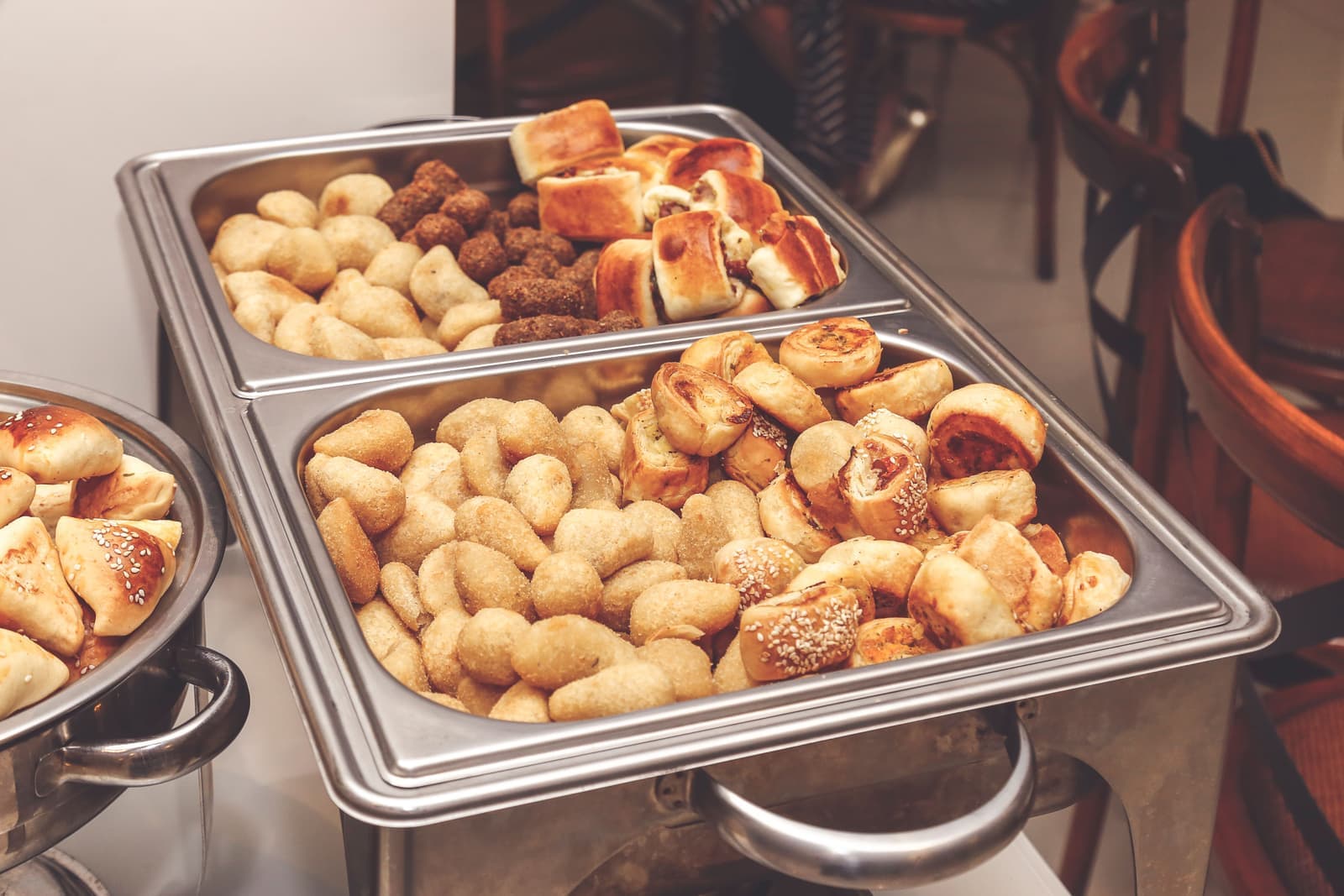
Best warming tray
The Best Warming Trays for a Holiday Buffet
Five ways to hold food above 140F until dinner, ranked — from a 21-inch glass tray to the slow cooker you already own.
Top pick: Chefman Electric Warming Tray, 21 x 16 in
One buyer journey, start to finish: brine it, cook it to temperature, carve it, and get it to the table still hot.
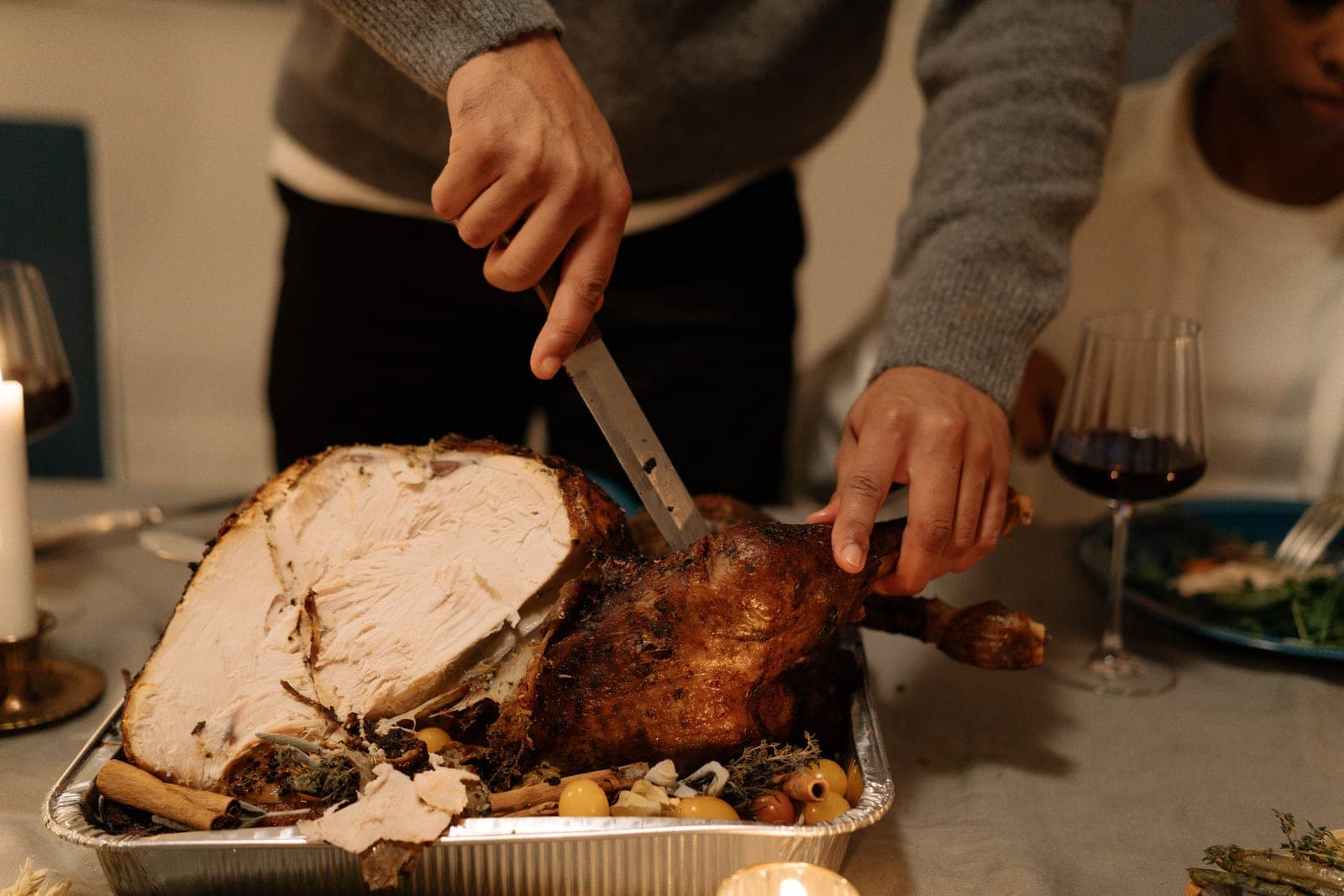
This section covers one continuous job: brine the bird, cook it to the right temperature, carve it properly, and get it to the table still hot. We have kept it together rather than splitting it up because that is how it actually happens — each step hands off to the next, and the gear you buy for one affects the others.
If you only read one thing here, make it the thermometer guide. An accurate instant-read probe is the highest-value purchase on this entire site: every other decision affects how good dinner is, and this one decides whether it is safe. Published guidance puts cooked poultry at 165F internal, and there is no reliable visual substitute for measuring it.
The second thing worth knowing is the number 140F. That is the temperature hot food has to stay at or above while it waits, and the reason warming equipment exists at all. Between 40F and 140F is where bacteria multiply fastest, and two hours is the limit.
Best warming tray
Five ways to hold food above 140F until dinner, ranked — from a 21-inch glass tray to the slow cooker you already own.
Top pick: Chefman Electric Warming Tray, 21 x 16 in
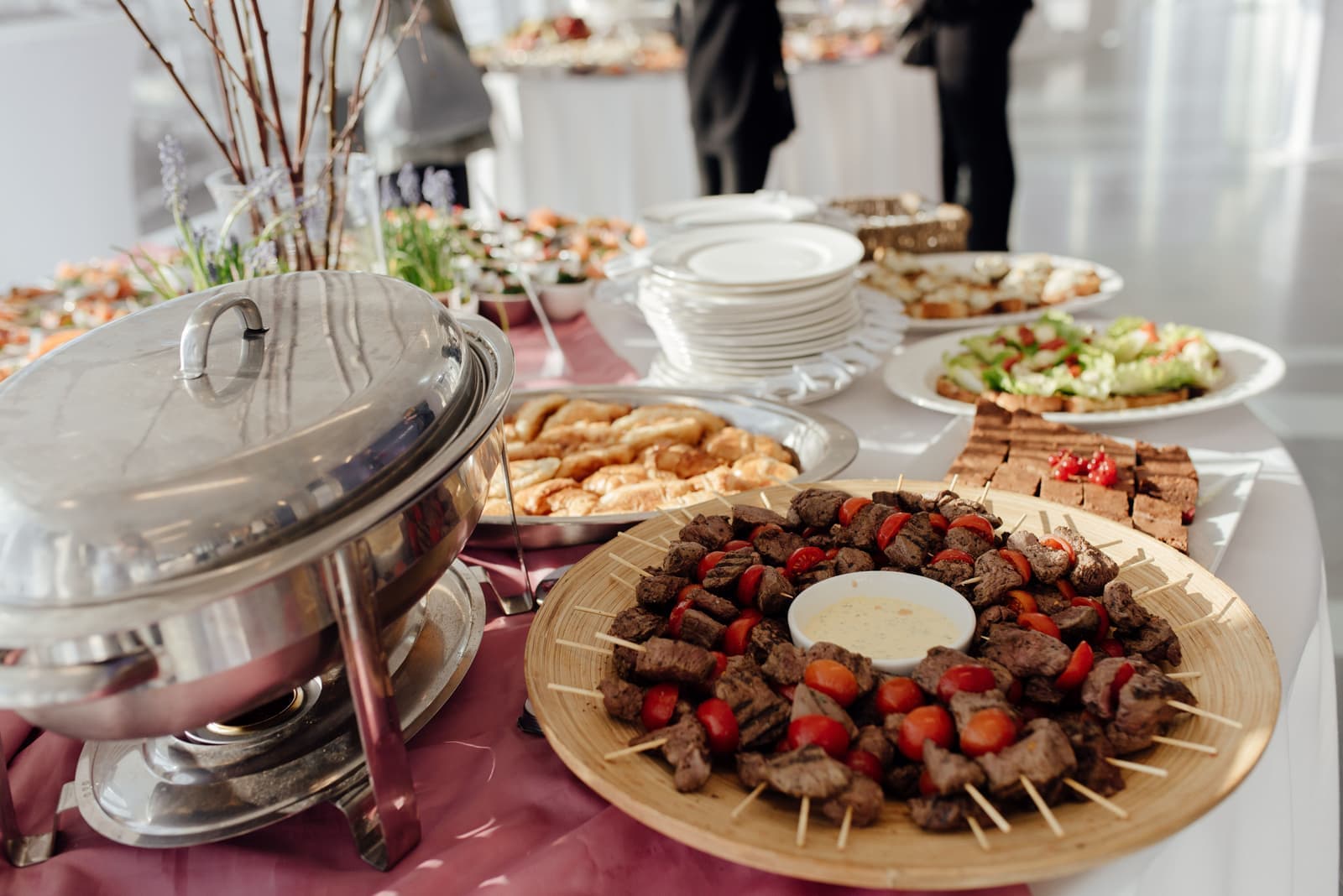
Best buffet server
Lidded electric servers ranked against chafing dishes and a plain warming tray, with the safe holding temperature explained.
Top pick: Chefman Electric Buffet Server with 3 Chafing Dishes
Best meat thermometer
Four thermometers ranked — instant-read, wireless and leave-in — and why the fryer or oven gauge does not count.
Top pick: ThermoWorks Thermapen ONE Instant-Read Thermometer
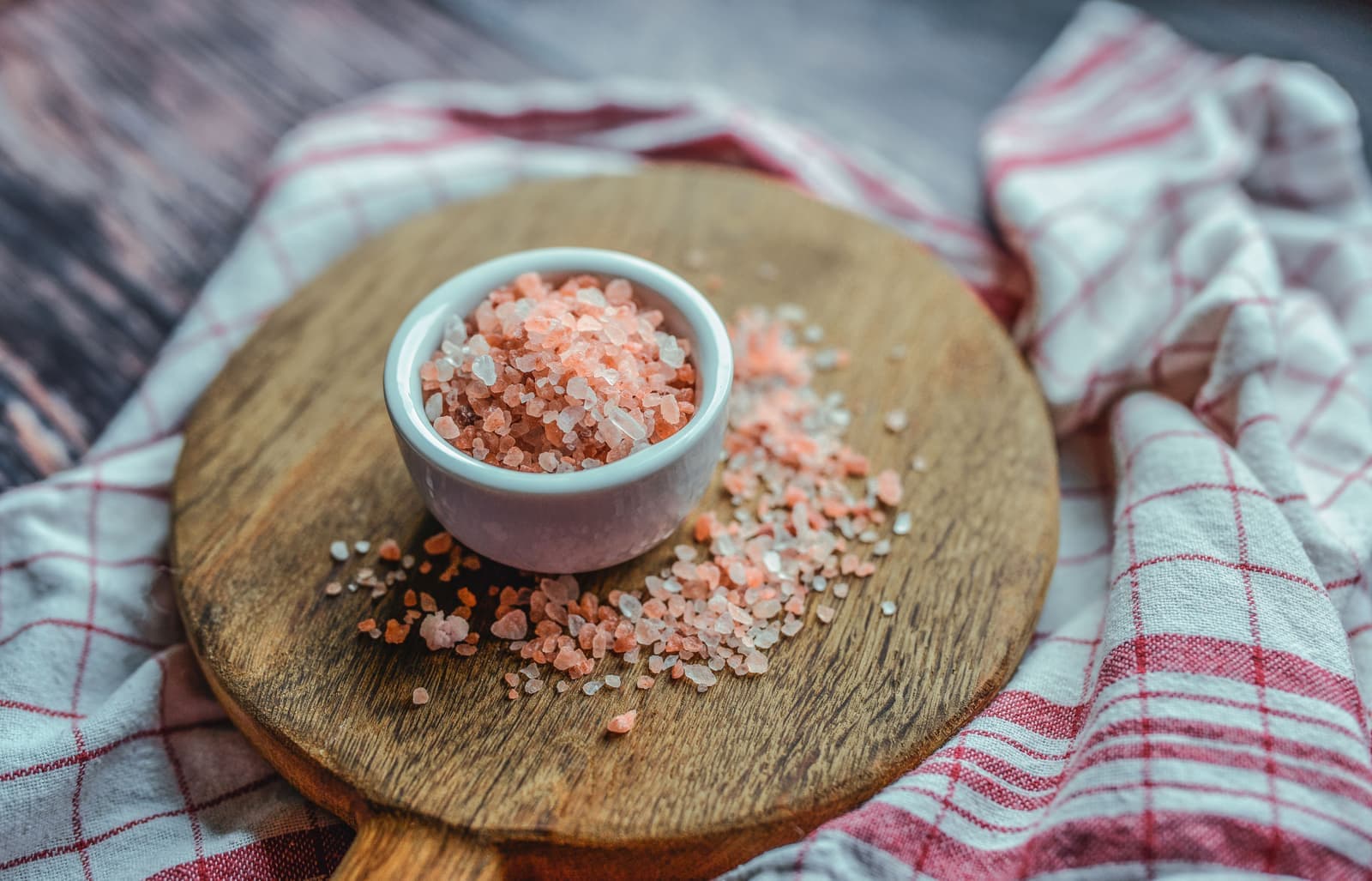
Best brine kit
Three brine kits ranked, plus the bag you need with them and the from-scratch alternative.
Top pick: Fire & Flavor Turkey Perfect Brine Kit
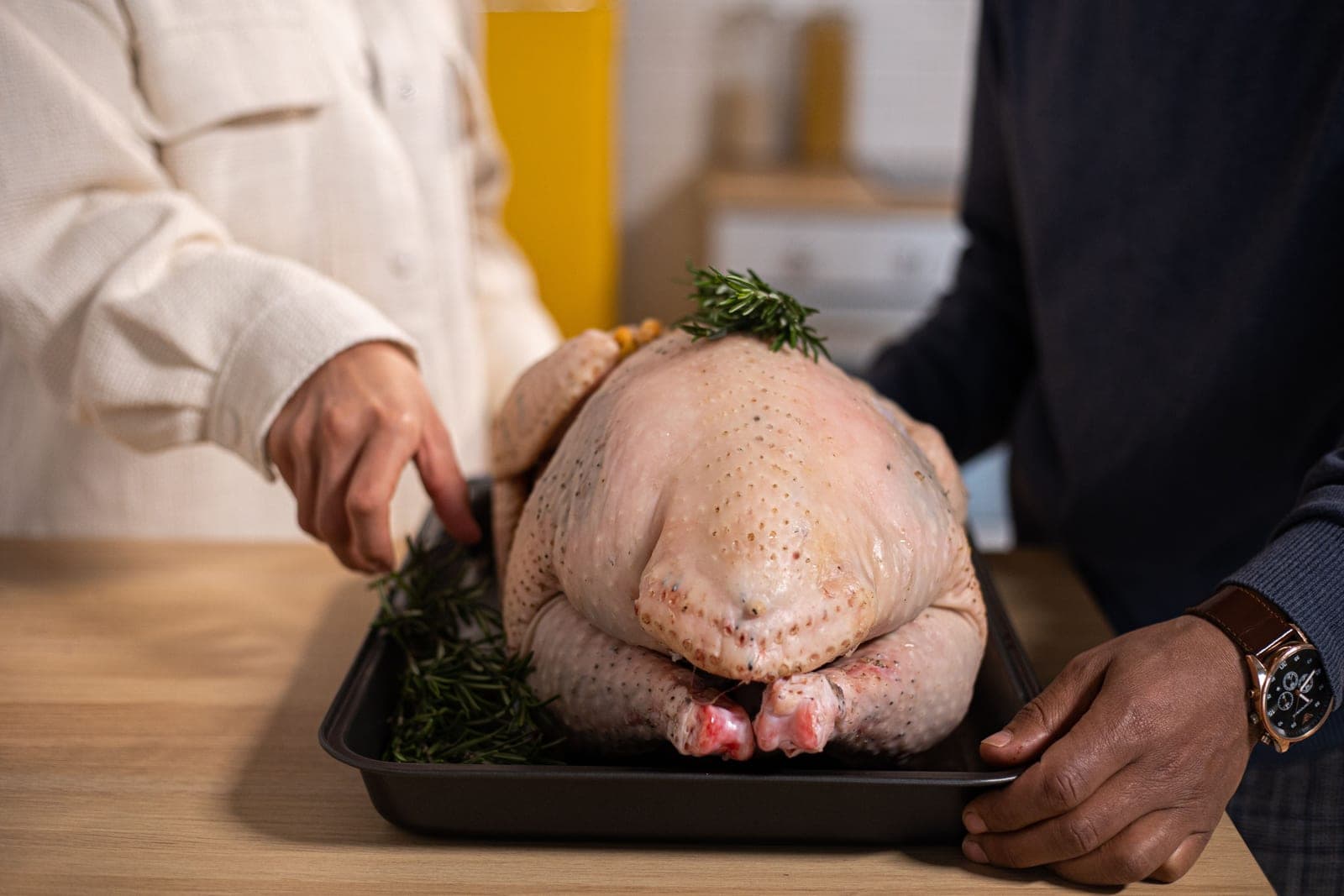
Best brining container
Bags, reusable buckets and the cooler method — with the honest answer about fridge space.
Top pick: Heavy-Duty Turkey Brining Bags (2-Pack)
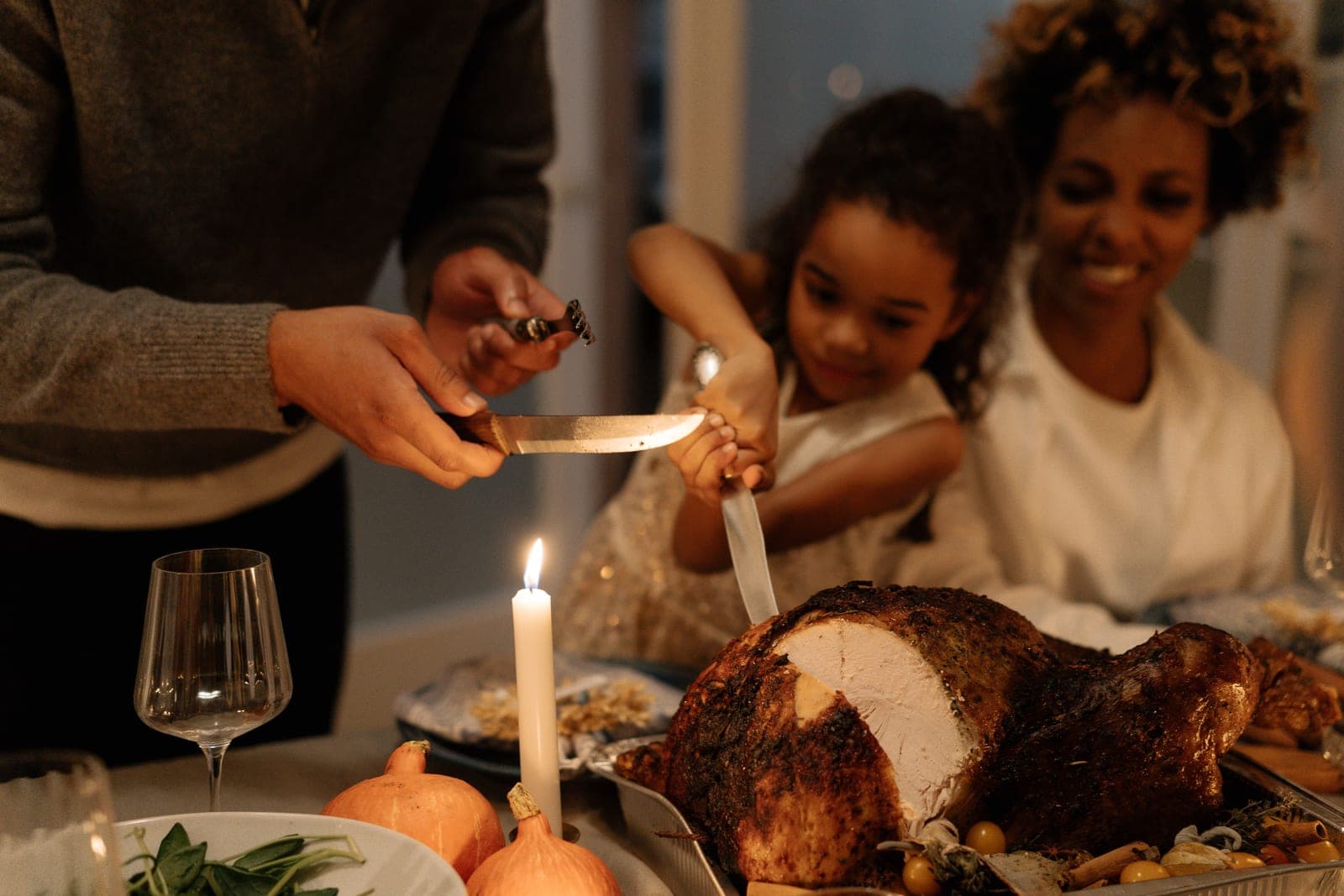
Best carving set
Four things worth buying for carving, and an honest note about the one thing that matters more than all of them.
Top pick: Forged Carving Knife and Fork Set
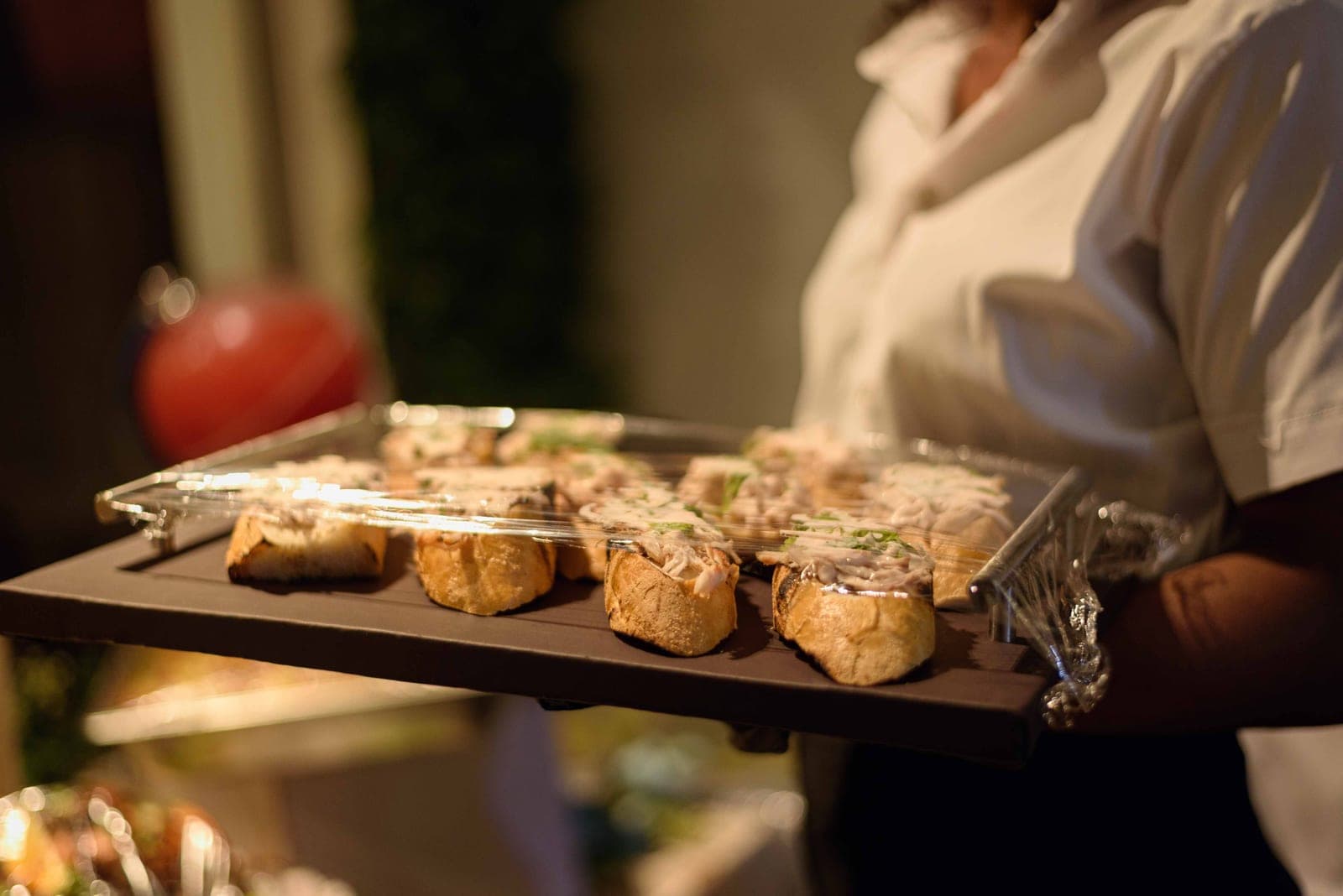
Best serving platter
Platters sized for a real carved turkey, plus the charger-plate trick that makes mismatched dinnerware look deliberate.
Top pick: Oval Ceramic Serving Platter Set
Head to head
Ease against control, compared honestly — plus the one factor that settles it for most first-time hosts.
Read the guide
Head to head
Power, safety and heat retention compared — and the case for owning one of each.
Read the guideGuide
The ratio, the timing by weight, and the dry-brine method for when your fridge is already full.
Read the guideGuide
Six steps, in order, plus the resting rule and the warm-platter trick that keeps it hot.
Read the guideGuide
Exact probe placement, the target temperature, and why the pop-up timer should be ignored.
Read the guide
Guide
Eight methods ranked, with the 140F safety floor explained and the dishes that simply will not hold.
Read the guideThree to five days out: start the thaw. Roughly 24 hours in the refrigerator per four to five pounds. This is the step first-time hosts most often begin too late.
One to two days out: brine. A wet brine wants 12 to 24 hours and a lot of fridge space; a dry brine wants 24 to 48 hours and one normal shelf. In the week of the holiday, the dry brine is usually the practical choice, and it gives crisper skin besides.
On the day: cook to 165F in the thickest part of the breast and the inner thigh, measured with the probe away from bone. Then rest the bird 20 to 30 minutes — this is not optional, and skipping it undoes hours of careful work in thirty seconds.
While it rests: carve in the kitchen, not at the table. Take each breast off the bone whole and slice it on a board. Then onto a warm platter and out.
They rely on one thermometer, or none. If you are frying, the gauge on the pot reads oil and tells you nothing about the bird. If you are roasting, the oven dial reads air. Either way you need a probe in the meat.
They probe against bone. Bone conducts heat, so a probe touching it reads high — and the error runs in the dangerous direction, telling you the bird is done when it is not.
They try to make everything finish at once. You cannot. The point of warming equipment is that you stop trying: finish dishes when they are ready and hold them safely until the rest catches up.
They try to hold things that will not hold. Moisture holds; crunch does not. Roast potatoes, rolls and anything with a crisp top should be timed to come out during the turkey’s resting window, not held.
They plate onto a cold platter. Five minutes in hot water costs nothing and noticeably extends how long the meat stays hot on the table.
Buy: an accurate thermometer, something to hold food at 140F, a board with a juice groove, and a platter big enough for a carved bird — 18 inches minimum, where most sets stop at 14.
Skip, honestly: a boxed carving set, if you already own a long sharp knife. Marinade injectors, if you have brined. Branded basting kits, if your roaster has a self-basting lid. Most of what a hosting-gear list will tell you is essential is not.
Everything we would actually buy for a first Thanksgiving, in priority order and with the reasoning, is in the starter kit.
At least 165F in the thickest part of the breast and the inner thigh, measured without touching bone. Bone conducts heat and gives a falsely high reading, which is how a bird gets pulled early.
No, but it is the biggest improvement available for the least effort, and it makes the bird far more forgiving if you overcook it slightly. A dry brine needs no container and gives crisper skin than a wet one.
You do not try. Finish dishes when they are ready and hold them at 140F or above — a warming tray, a buffet server, slow cookers on Warm, or your roaster oven on its lowest setting once the bird is out.