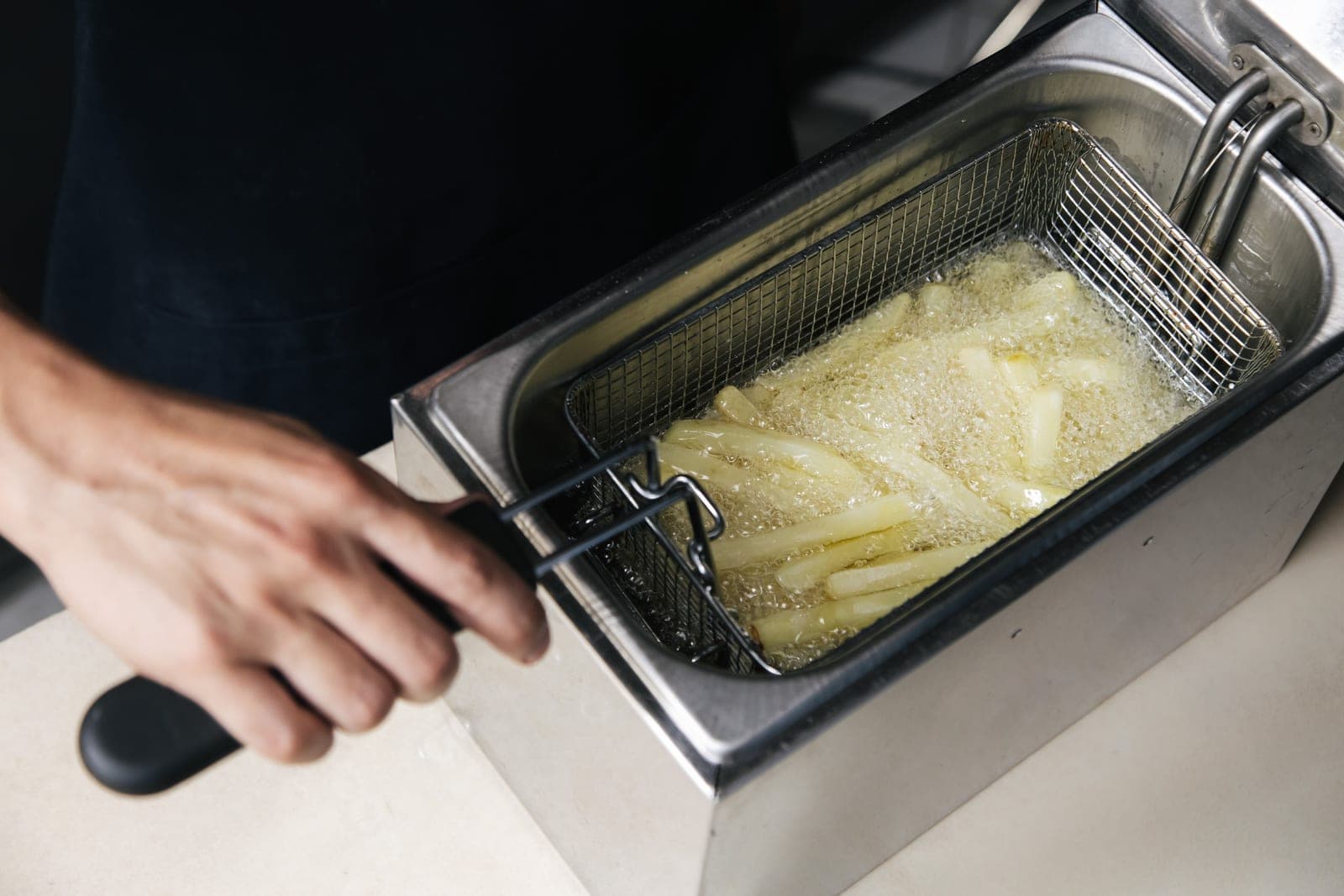
Best turkey fryer overall
The Best Turkey Fryers of 2026
Six fryers, ranked for someone doing this for the first time. Indoor electric wins, and we explain exactly why.
Top pick: Masterbuilt Butterball XL Indoor Electric Turkey Fryer
Everything you need to pick a fryer you can actually use safely — and the plain-English rules for the day itself.
A turkey fryer does one thing an oven cannot: it cooks a whole bird in under an hour, which hands your oven back for the eight other things that need it. That is the real reason people fry, and it is a good reason.
It is also the piece of holiday equipment most likely to go badly wrong. Five gallons of oil at 350F, an open flame, and a wet or partly frozen bird is a genuinely dangerous combination, and the fire service says so — the National Fire Protection Association discourages oil turkey fryers outright and points people toward oil-less units instead.
We do not think that means you should never fry. It means you should know what you are choosing. Everything in this section is written for someone doing it for the first time: which of the three types of fryer suits you, how much oil you actually need, the ten rules that prevent an incident, and how long the bird takes once it is in. Start with the fryer roundup if you are still shopping, or the safety guide if you already own one.
Best turkey fryer overall
Six fryers, ranked for someone doing this for the first time. Indoor electric wins, and we explain exactly why.
Top pick: Masterbuilt Butterball XL Indoor Electric Turkey Fryer
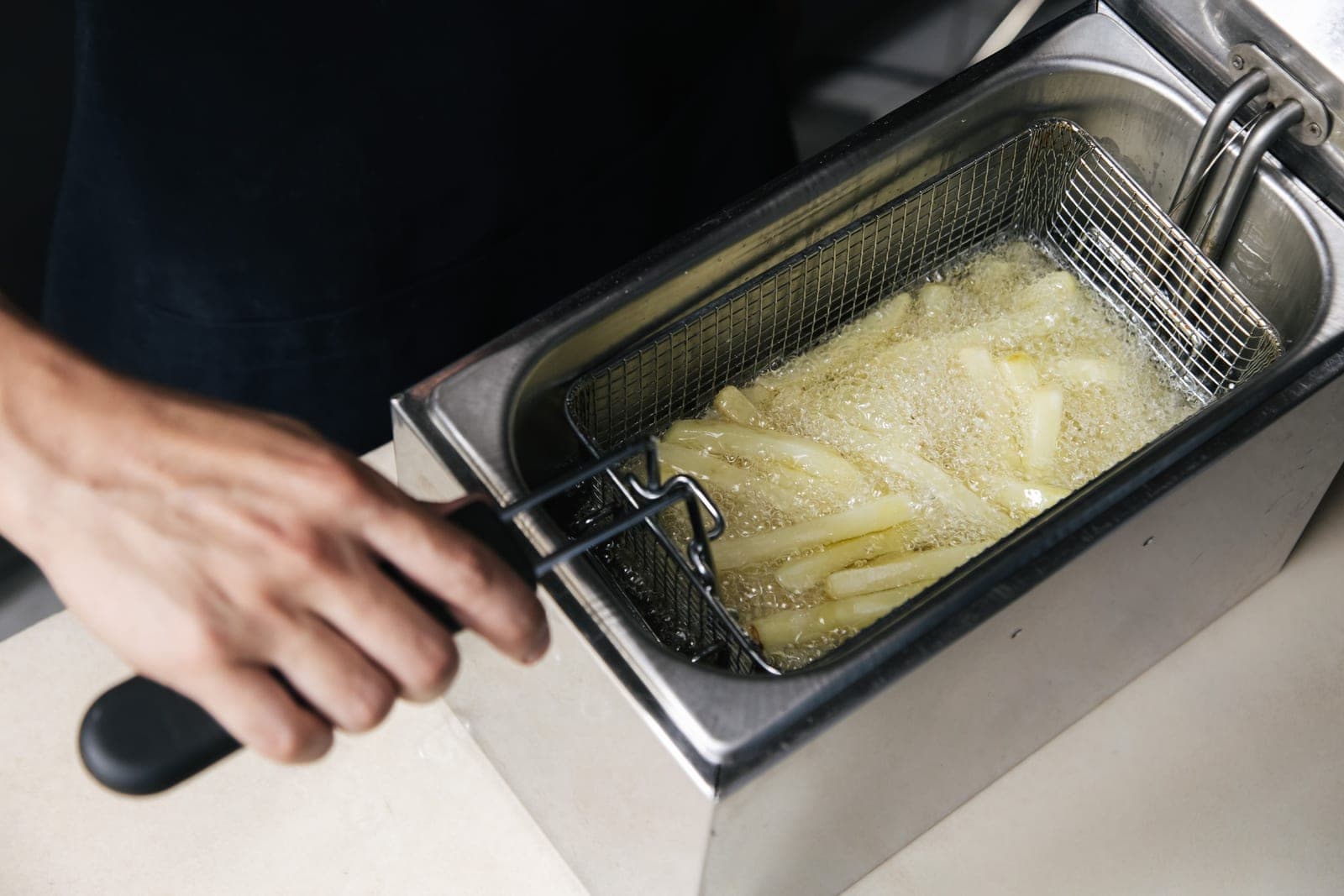
Best electric fryer
Indoor electric fryers, ranked — plus the no-oil outdoor alternative if you want electric for safety reasons.
Top pick: Masterbuilt Butterball XL Indoor Electric Turkey Fryer
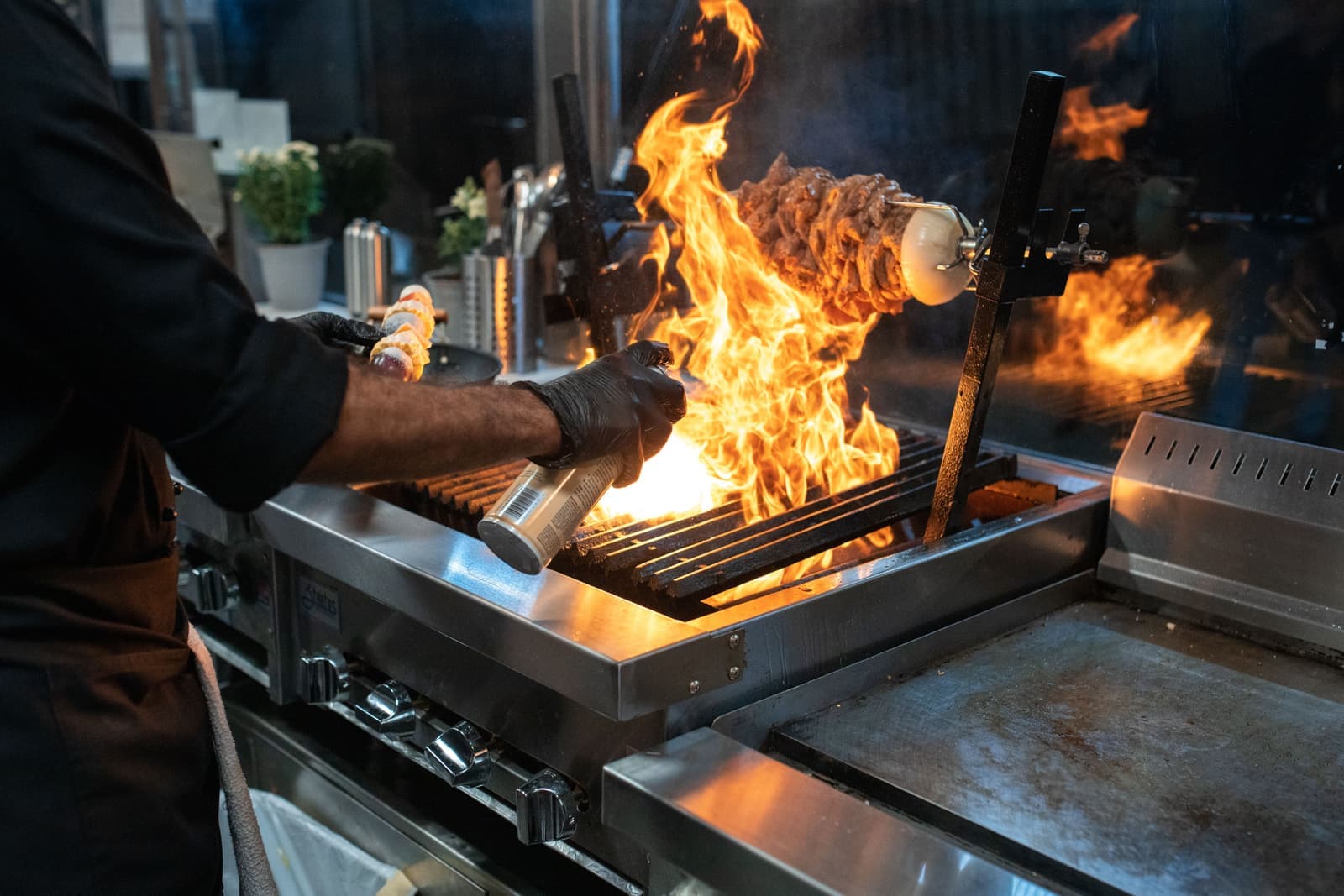
Best oil-less fryer
Infrared, indoor electric or a roaster oven — three honest ways to cook the bird without five gallons of hot oil.
Top pick: Char-Broil Big Easy Oil-Less Turkey Fryer
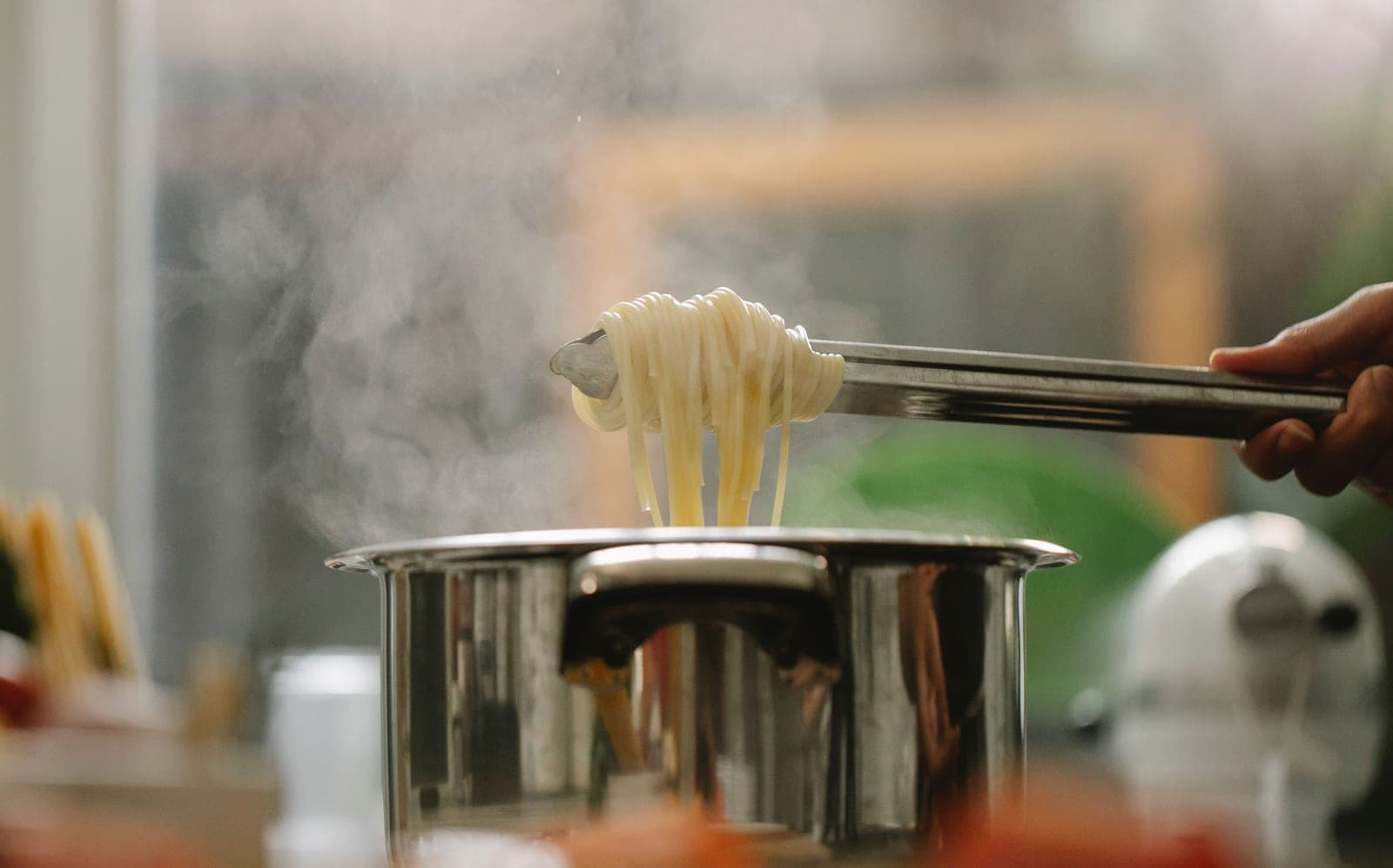
Best fryer accessories
Six accessories ranked by how much they change the outcome — starting with the two safety items no kit includes.
Top pick: Heat-Resistant Fryer Gloves, Elbow Length
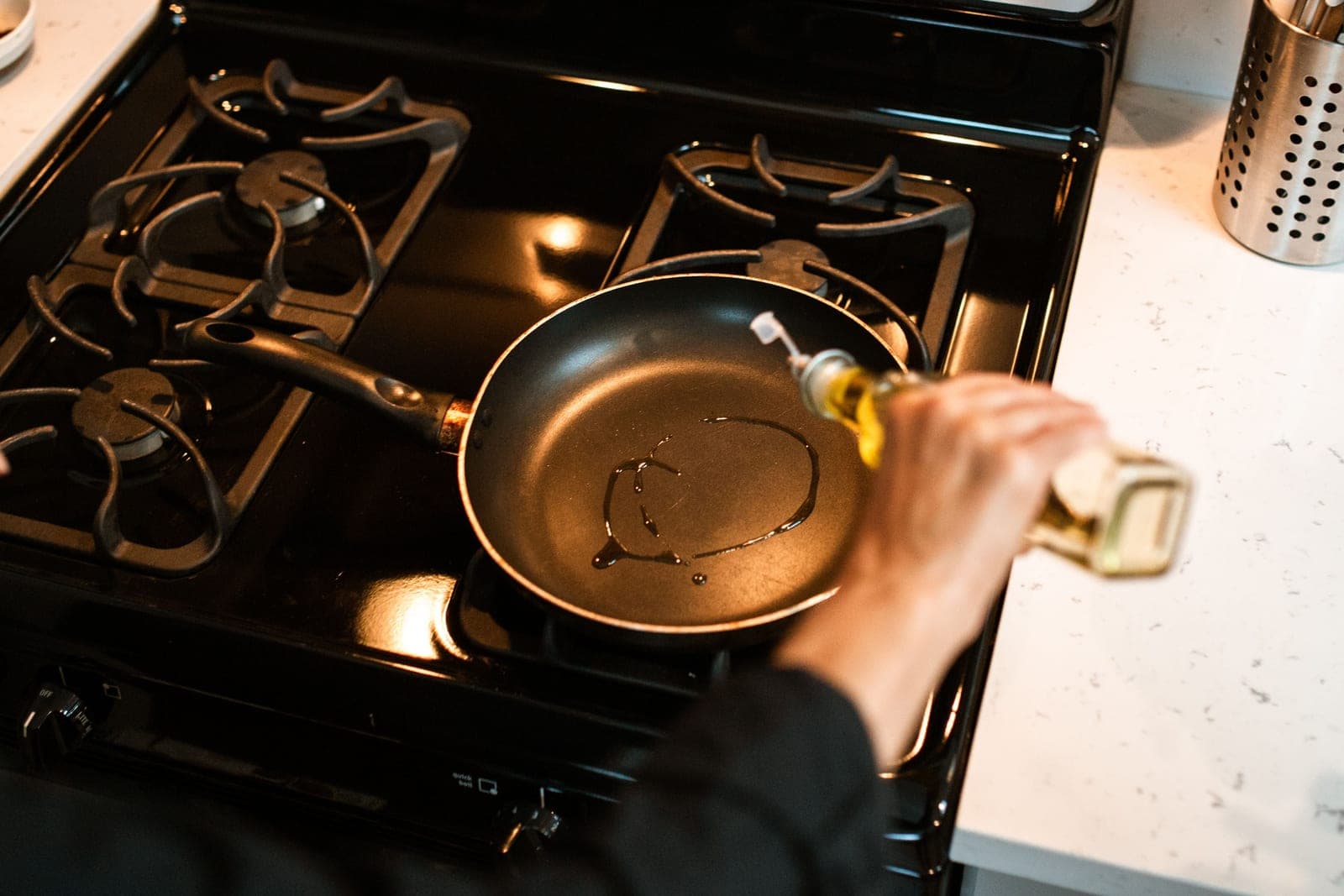
Best frying oil
Peanut oil, the nut-free alternative, and the thermometer that stops you ruining either one.
Top pick: Refined Peanut Frying Oil, 3 Gallon
Review
The indoor electric fryer we recommend most often, reviewed honestly — including where it falls down.
Read the guide
Head to head
Same manufacturer, two products. Single-purpose fryer or three-in-one fryer, boiler and steamer.
Read the guide
Head to head
Capacity and speed against safety and simplicity — laid out attribute by attribute.
Read the guide
Head to head
Speed and oven space against simplicity and risk — plus the third option most people should take.
Read the guide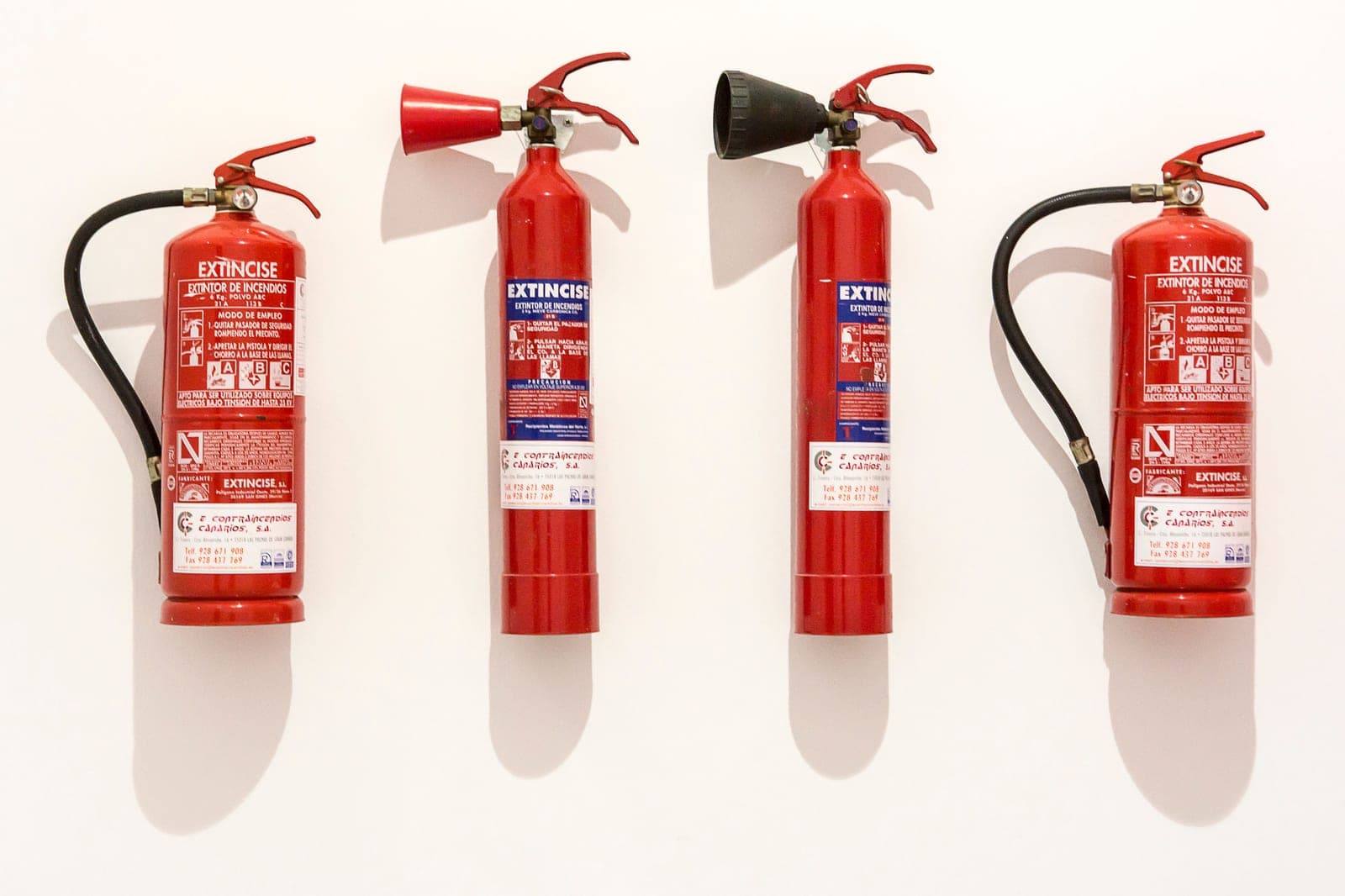
Guide
Ten ordered safety steps from published fire-safety and turkey-industry guidance, plus the gear that backs them up.
Read the guide
Guide
The whole process in order, with the numbers sourced — thaw, measure, heat to 350F, cook to 165F, rest.
Read the guideGuide
Oil volume by pot size and bird weight, and the water-displacement method that beats every chart.
Read the guide
Guide
Frying times per pound at 350F, and the internal temperature that actually decides when to pull the bird.
Read the guide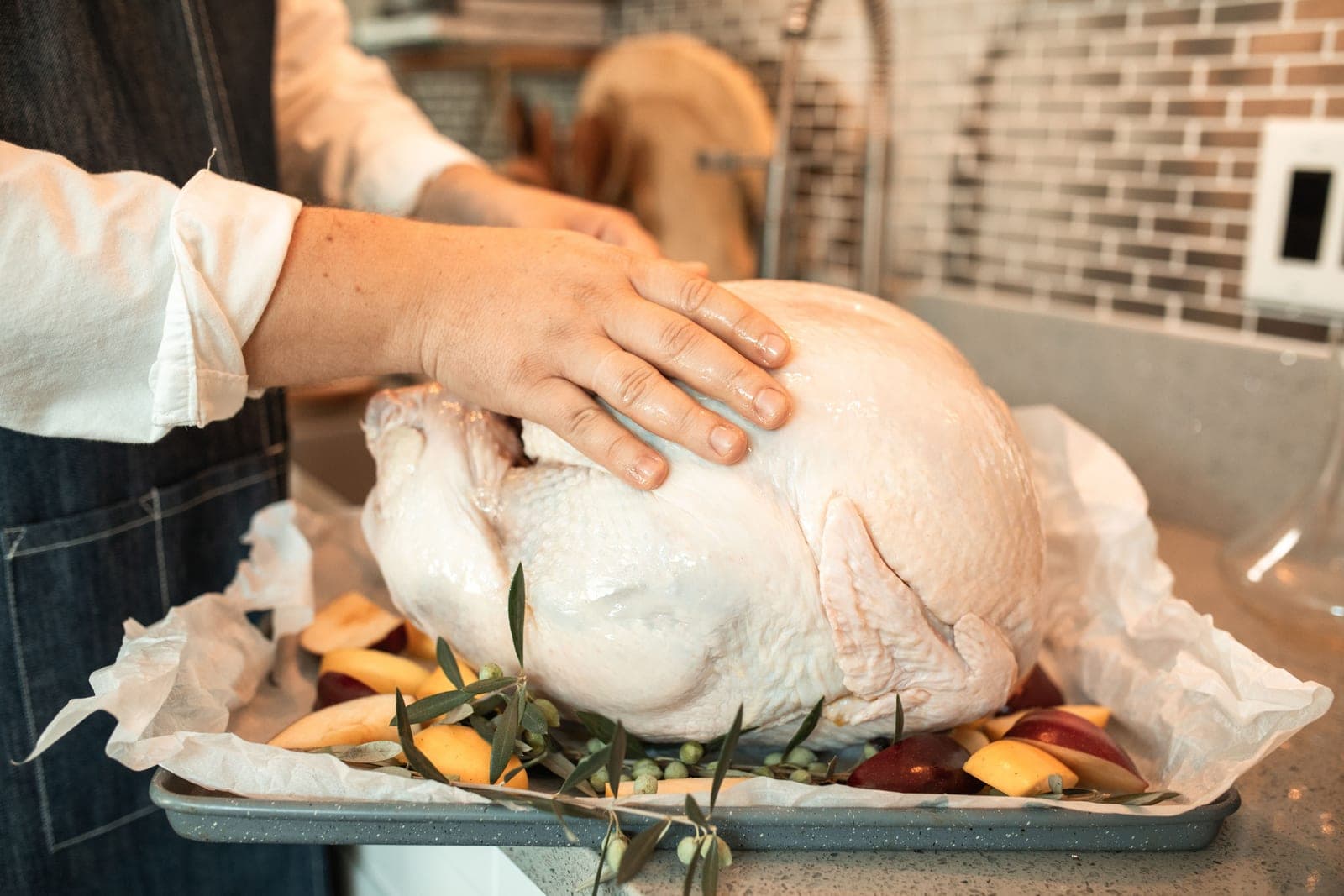
Guide
Pot size to bird weight, in one table — plus the guest-count math that tells you which bird to buy in the first place.
Read the guideEvery turkey fryer on the market is one of three things, and picking between them is most of the decision.
Indoor electric is a sealed countertop pot with a thermostat. About 2.75 gallons of oil, no flame, no tank, no wind, and it holds 350F on its own. The ceiling is 20 pounds of bird. For a first-time host this is almost always the right answer.
Outdoor propane is the classic rig: a tall pot on a burner stand fed by a tank. Four to five gallons of oil, complete control of the heat, and complete responsibility for it. It handles birds an electric fryer cannot, and it is the configuration behind nearly every fryer fire you have ever seen on the news.
Oil-less infrared uses radiant heat in a vertical chamber and no oil at all. Crisp browned skin rather than a true fried crust, roughly 10 minutes per pound, and a 16-pound ceiling — but nothing to buy by the gallon and nothing to dispose of.
If you are torn, our propane versus electric comparison settles it attribute by attribute.
They start the thaw too late. A refrigerator thaw takes roughly 24 hours for every four to five pounds, so a 20-pound bird needs four to five full days. A partly frozen turkey in hot oil is the single most common cause of a flare-up.
They guess the oil. The bird displaces oil, so the level you pour is not the level you cook at. Measuring with water first takes five minutes and prevents the overflow — here is the method.
They buy too much fryer. A 44-quart pot seems like sensible headroom until you are storing it in March. Buy for the bird you actually cook, and remember that two 12-pound turkeys beat one 24-pound turkey on almost every measure.
They rely on one thermometer. The gauge on the pot reads oil. It tells you nothing about whether the meat has reached 165F. You need both.
Fryer kits leave out the same three things every time, and all three matter more than anything they include. Elbow-length heat gloves, because oven mitts end at the wrist and that is where the splash lands. A grease-rated fire extinguisher, because water on an oil fire makes it dramatically worse. And an accurate instant-read thermometer for the bird.
Then there is the oil itself — three to five gallons of it, which is a real line item and which disappears from shelves in the week before the holiday. Buy it in early November. Our accessories guide ranks all of this by how much it actually changes the day, and the oil guide covers smoke points, quantities and the peanut allergy question.
It is safe if you follow the rules and genuinely dangerous if you do not. The National Fire Protection Association discourages oil fryers altogether. If you fry, the non-negotiables are a completely thawed and dry bird, oil measured with water, level ground well away from any structure, and a grease-rated extinguisher within reach.
An indoor electric fryer, if the bird is 20 pounds or under. It removes the flame, the tank, the weather and the outdoor stand, and it uses about a third of the oil. Our fryer roundup explains the ranking in full.
Roughly three to four minutes per pound at 350F, so a 14-pound bird is around 45 to 55 minutes. Cook to an internal temperature of 165F rather than to the clock.