Electric vs Manual Carving Knife
Electric if you carve once a year and want it to be easy. Manual if you carve regularly and want it to be good.
By Mike M. · Published · Last updated
How this page is funded: Fryer & Feast is a participant in the Amazon Associates Program. If you buy through a link here we may earn a commission, at no extra cost to you. It never changes which products we recommend — see how we pick and our full affiliate disclosure. We do not publish prices on this site — every buy link sends you to the retailer for the live price.
The distinction in one paragraph: an electric carving knife uses two reciprocating serrated blades that saw through the meat for you — you steer, it cuts. A manual carving knife is a long, narrow slicing blade that you draw through in a single stroke. Electric is easier and needs no technique. Manual gives cleaner slices, more control and no cord.
Quick picks
| # | Product | Best for | Score | Price |
|---|---|---|---|---|
| 1 |  Cuisinart CEK-41 Electric Knife with Board and ForkThe blades do the work; you guide rather than cut. | Get electric if this is once a year | 8.5 | |
| 2 | 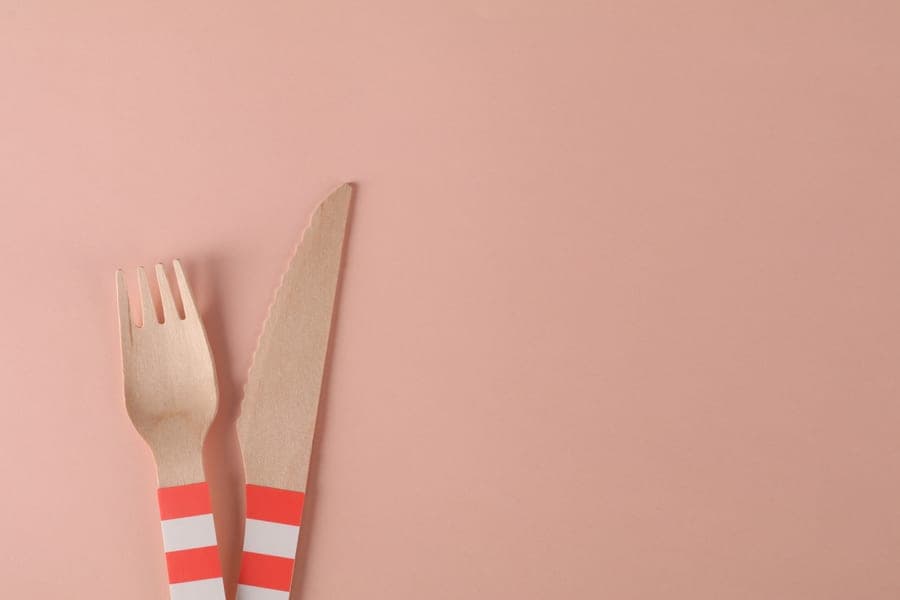 Forged Carving Knife and Fork SetCleaner slices, total control, and it lives in a knife block. | Get manual if you carve often | 8.6 |
Scores are our own editorial rubric, explained on how we pick. They are not customer ratings and we do not publish star ratings for products we have not handled.
Side by side
| Electric | Manual slicer | |
|---|---|---|
| Effort required | Very little | Moderate |
| Technique required | Almost none | Some |
| Slice quality | Good | Best |
| Noise | Loud | Silent |
| Needs an outlet | Yes | No |
| Maintenance | Wash the blades | Hone and sharpen |
| Storage | A case in a cupboard | A knife block |
| Other uses | Bread, large roasts | Every roast, ham, brisket |
The case for electric
Carving a turkey in front of twelve people is a performance, and it is one most first-time hosts have never rehearsed. An electric knife removes the part that goes wrong — the sawing, the ragged slices, the moment the blade slips off the skin.
It also removes the hand-strength question entirely, which matters for anyone with arthritis or a weak grip. And the micro-serrated blades grip turkey skin rather than sliding across it, which is the exact failure that makes people nervous.
The practical downside is the cord. Decide where you are carving before the day, because you will be carving near an outlet.
The case for manual
A sharp slicing knife produces visibly better slices — cleaner edges, even thickness, and no compressed or torn meat. If the carved turkey is going onto a platter for people to see, that difference is obvious.
It is also the more useful tool. That knife carves every roast you ever cook, slices a ham, portions a brisket. An electric knife comes out for turkey and occasionally bread.
The requirement is sharpness. A dull slicer is worse than an electric knife and considerably more dangerous, because it slips. Hone it before you start.
The factor that actually decides it
How often do you carve anything?
If the answer is once a year, buy the electric knife. You will not build the technique a manual slicer rewards, you will not keep it honed, and you will be nervous on the day. Electric removes all three problems.
If you roast regularly — a chicken most Sundays, a ham at Christmas, a brisket in summer — buy the manual slicer. It will be sharp because you use it, your technique will be there because you practice it without noticing, and it gives the better result.
Either way, buy a board with a juice groove before you buy either knife. It changes the job more than the blade does.
The third option nobody mentions
Use the knife you already own. A well-honed chef’s knife carves a turkey adequately, and the money you were going to spend is better placed on an accurate thermometer or a warming tray.
A chef’s knife is wider than a slicer, so it drags and you may need two passes on the breast. That is a cosmetic cost, not a functional one, and on a first Thanksgiving there are better places to spend both money and worry.
The products, in detail
#1 · Get electric if this is once a year
Cuisinart CEK-41 Electric Knife with Board and Fork
The complete carving station in one box — knife, fork, bamboo board and a storage tray — and it goes through a 14-pound bird without bogging down.
- Type
- Electric, corded
- Includes
- Board, fork, tray
- Blades
- Micro-serrated, interchangeable
- Warranty
- 3-year limited
What’s good
- Requires almost no hand strength or technique
- Goes through a 14 lb bird without laboring
- Complete kit with board, fork and tray
- Micro-serrated blades grip the skin instead of sliding off it
What’s not
- Corded — you carve where the outlet is
- Noisy at the table
- Slices are slightly rougher than a good manual blade
Ease
9.4
Cut quality
8.2
Control
7.8
Value
8.6
#2 · Get manual if you carve often
Forged Carving Knife and Fork Set
A long, narrow slicing blade beats a chef's knife on a turkey because it clears the breast in one pass instead of sawing. Everything else in a boxed set is optional.
- Blade
- 8-12 in slicer
- Edge
- Granton or plain
- Fork
- Two-tine, long
- Care
- Hand wash, hone before use
What’s good
- Cleanest slices, with no tearing
- Complete control over thickness and angle
- Silent, cordless, and stores in a drawer
- Improves with practice rather than staying the same
What’s not
- Needs to be sharp, which means honing before you start
- Requires some technique and a steady hand
- Harder work on a very large bird
Ease
7.4
Cut quality
9.2
Control
9.4
Value
8.4
Frequently asked questions
Easier, not better. It requires almost no technique or hand strength, which suits someone carving once a year. A sharp manual slicer gives cleaner slices and more control.
A carving knife is long and narrow, designed to cross a turkey breast in one stroke. A chef’s knife is shorter and wider, designed for a rocking chop. A chef’s knife works; a slicer works better.
Yes — bread, large roasts, ham, and anything where a sawing action helps. They are poor at anything requiring precision or a fine dice.
Sharp enough to slice cleanly with almost no downward pressure. Hone it before you start. A dull blade tears the meat and is genuinely more dangerous than a sharp one, because it slips.
Sources
Related reading
- The Best Turkey Carving SetsFour things worth buying for carving, and an honest note about the one thing that matters more than all of them.
- How to Carve a TurkeySix steps, in order, plus the resting rule and the warm-platter trick that keeps it hot.
- The Best Serving Platters for a Holiday TablePlatters sized for a real carved turkey, plus the charger-plate trick that makes mismatched dinnerware look deliberate.
- The First-Thanksgiving Starter KitSeven purchases in priority order for a first holiday meal, plus what every other list gets wrong.
- The Best Gifts for the HostFive host gifts that demand nothing from the person cooking, plus the well-meant ones that create work.