The Best Oil for Frying a Turkey
You need an oil with a smoke point comfortably above 350F, a neutral flavor, and a price that survives being bought five gallons at a time.
By Mike M. · Published · Last updated
How this page is funded: Fryer & Feast is a participant in the Amazon Associates Program. If you buy through a link here we may earn a commission, at no extra cost to you. It never changes which products we recommend — see how we pick and our full affiliate disclosure. We do not publish prices on this site — every buy link sends you to the retailer for the live price.
The short answer: use refined peanut oil. Its smoke point sits around 450F, comfortably above the 350F you will be cooking at, and its flavor is neutral enough to stay out of the way. If anyone at your table has a nut allergy, high-oleic sunflower or canola oil does the same job at a similar temperature.
The National Turkey Federation lists peanut, canola, corn, rice and sunflower oils as suitable — the common thread is a high smoke point, not the plant it came from.
Quick picks
| # | Product | Best for | Score | Price |
|---|---|---|---|---|
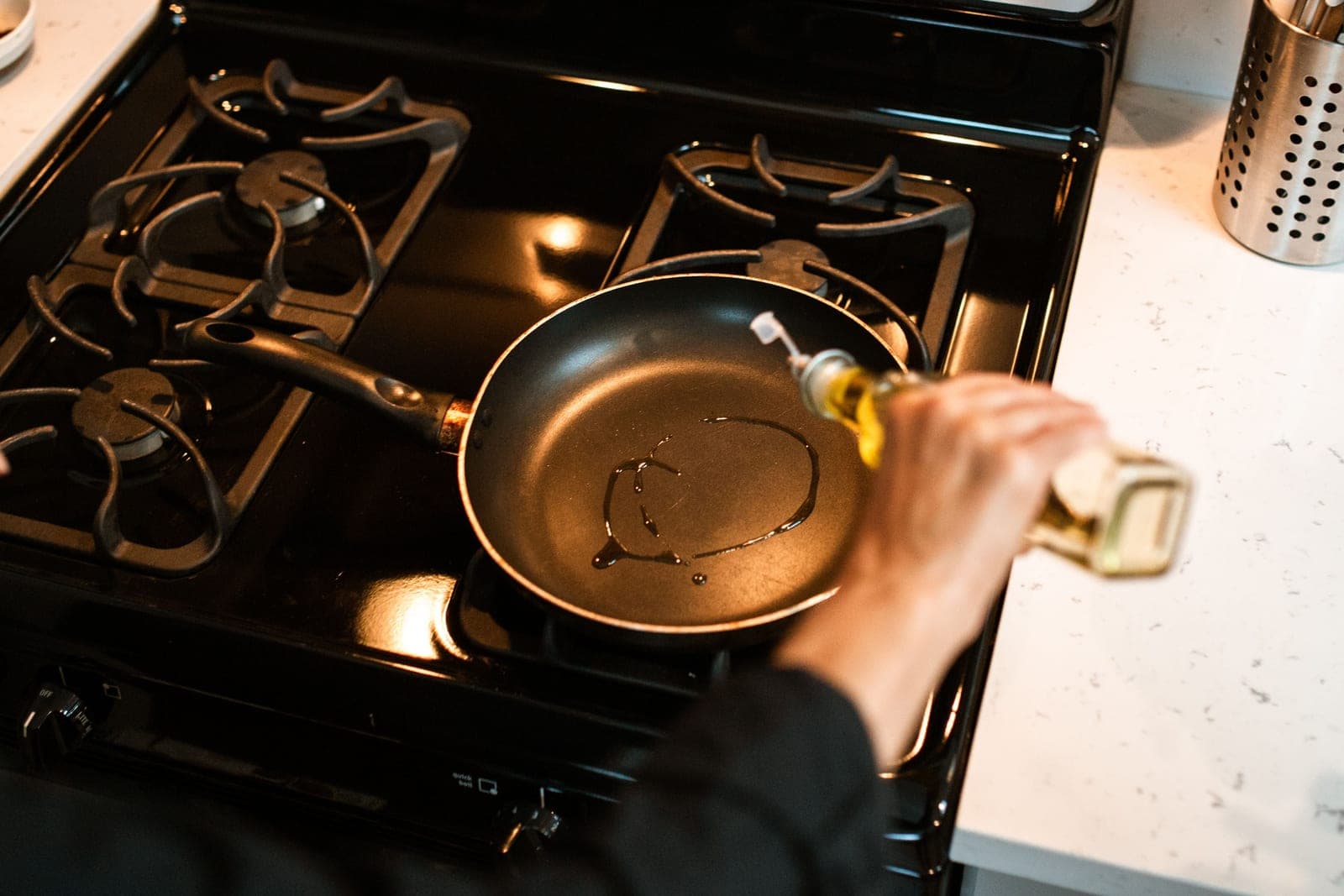
| 1 |  Refined Peanut Frying Oil, 3 GallonAbout 450F smoke point, neutral, and sold by the gallon. | Best overall frying oil | 8.5 | |
| 2 | 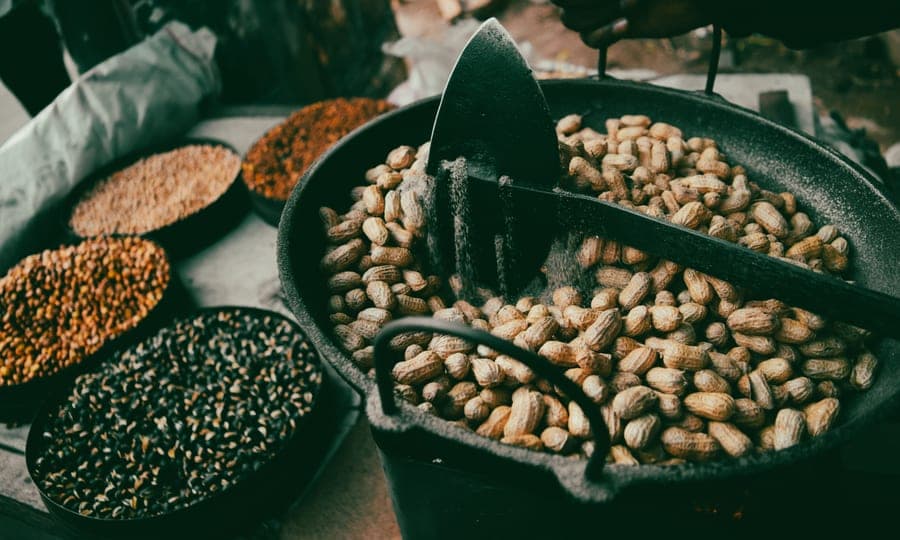 High-Oleic Sunflower or Canola Frying OilSame working temperature, no peanut in the conversation. | Best nut-free option | 8.6 | |
| 3 | 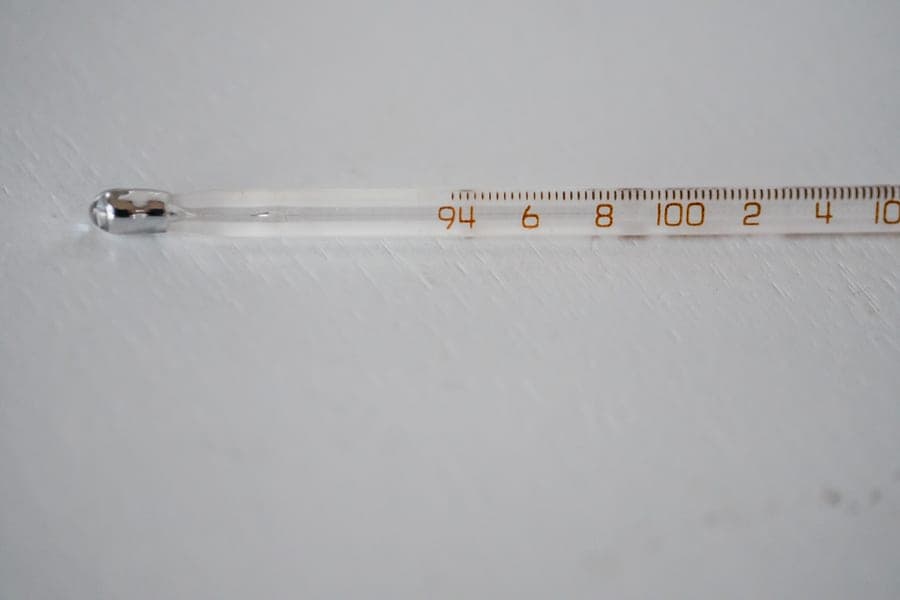 Clip-On Deep Fry Thermometer, 12 InchSmoke point only protects you if you know the temperature. | Buy with the oil | 8.7 |
Scores are our own editorial rubric, explained on how we pick. They are not customer ratings and we do not publish star ratings for products we have not handled.
Smoke point is the whole decision
Every frying oil has a temperature at which it stops behaving like oil and starts breaking down — the smoke point. Past it the oil tastes acrid, releases irritating fumes, and moves measurably closer to its flash point. State Farm’s guidance is unambiguous: if you see the oil smoking, turn the fryer off.
You cook at 350F. You want at least 50F of headroom, and 100F is better, because the moment you lower a cold bird in the temperature swings and the burner works hard to recover.
| Oil | Approximate smoke point | Suitable for frying a turkey? |
|---|---|---|
| Refined peanut | About 450F | Yes — the default |
| High-oleic sunflower | About 440-450F | Yes — best nut-free choice |
| Refined canola | About 400-450F | Yes — cheapest workable option |
| Corn | About 450F | Yes |
| Extra-virgin olive | About 350-375F | No — too close to cooking temperature |
| Unrefined or cold-pressed oils | Low, varies | No |
How much oil to buy
Buy three gallons for a 30-quart pot and a bird up to about 14 pounds; four to five for a bigger bird or a 44-quart pot; and about three gallons for an indoor electric, which typically needs 2.75.
Those are shopping-list numbers, not pouring numbers. The actual volume depends on the bird displacing oil in your specific pot, which is why you measure with water first — the method is in our oil volume guide. Buy the extra gallon anyway. Running short mid-pour is far worse than having oil left over.
The peanut allergy question, answered properly
Highly refined peanut oil has the peanut protein removed during processing, and it is that protein — not the oil itself — that triggers an allergic reaction. Refined peanut oil is therefore considered safe for most people with peanut allergies, and it is the standard frying oil in a great many commercial kitchens for precisely this reason.
That is not a license to skip the conversation. Cold-pressed, expeller-pressed and gourmet peanut oils retain protein and are not safe. If someone at your table has a severe allergy, use high-oleic sunflower or canola and tell them what you used. Nobody has ever been upset by being asked.
Reusing and disposing of the oil
Let the oil cool completely — the National Turkey Federation is explicit about this, and a pot of 300F oil is exactly as dangerous at 9pm as it was at 2pm. Then strain it through a fine sieve or cheesecloth into the original jugs and store it cold and dark.
Good oil will take two or three more fries. Throw it out when it darkens noticeably, smells sour or fishy, foams at the surface, or begins smoking at a lower temperature than it used to. Never pour it down a drain. Many municipal recycling sites and restaurants take used cooking oil — ring first.
Every pick, in detail
#1 · Best overall frying oil
Refined Peanut Frying Oil, 3 Gallon
Refined peanut oil is the default for a reason: high smoke point, neutral flavor, and refining removes the protein that triggers most peanut allergies.
- Smoke point
- About 450F
- Volume needed
- 3 gal covers most 30 qt pots
- Reuse
- Strain and refrigerate, 2-3 fries
- Allergy note
- Refined, not cold-pressed
What’s good
- Smoke point around 450F, a full 100F above your cooking temperature
- Neutral flavor that lets the brine come through
- Widely stocked in three-gallon jugs in November
- Refined peanut oil is safe for most people with peanut allergies
What’s not
- The most expensive mainstream option at volume
- Scarce and pricier in peak week — buy early
- The allergy conversation still needs having
Smoke point
9.4
Flavor
8.8
Availability
8.4
Value
7.4
#2 · Best nut-free option
High-Oleic Sunflower or Canola Frying Oil
The pick when someone at the table has a nut allergy and you do not want to argue about refined versus unrefined on Thanksgiving morning.
- Smoke point
- About 440-450F
- Flavor
- Neutral
- Cost
- Usually below peanut
- Allergy
- No peanut content
What’s good
- Smoke point around 440-450F, effectively the same as peanut
- Usually cheaper per gallon
- Removes an allergy question entirely
- Holds up to reuse as well as peanut does
What’s not
- Less consistently stocked in bulk jugs
- Standard sunflower oil is not the same thing — check for high-oleic
Smoke point
9.2
Flavor
8.6
Availability
7.6
Value
8.8
#3 · Buy with the oil
Clip-On Deep Fry Thermometer, 12 Inch
A dial that clips to the pot rim and reads oil temperature continuously. The built-in gauge on a cheap kit is often the thing that is wrong.
- Range
- Up to about 750F
- Stem
- 12 in, clears the rim
- Mount
- Pot-rim clip
- Reads
- Oil, not meat
What’s good
- Reads oil continuously as it climbs to 350F
- Long stem clears a deep pot
- Costs a fraction of the oil it protects
What’s not
- Dial thermometers drift — check it in boiling water first
- Reads oil, not the turkey
Accuracy
8.4
Build
8.2
Ease of use
8.8
Value
9.2
Frequently asked questions
Usually yes — most supermarket “vegetable oil” is refined soybean or canola with a smoke point in the 400-450F range. Check the label for a stated smoke point or the word refined, and avoid anything cold-pressed or unrefined.
Three gallons for a 30-quart pot and a mid-sized bird, four to five for a large bird or a 44-quart pot, and about three for an indoor electric. Confirm with the water-displacement method before you pour.
Highly refined peanut oil has the allergenic protein removed and is considered safe for most people with peanut allergies. Cold-pressed and gourmet peanut oils are not. If there is a severe allergy at the table, use high-oleic sunflower or canola instead and say so.
350F. The National Turkey Federation gives 350F as the frying temperature, and getting there typically takes 45 minutes to an hour. Lower and the skin absorbs oil; higher and you are heading for the smoke point.
Sources
Related reading
- How Much Oil Does a Turkey Fryer Hold?Oil volume by pot size and bird weight, and the water-displacement method that beats every chart.
- Turkey Fryer Safety: How to Do This Without IncidentTen ordered safety steps from published fire-safety and turkey-industry guidance, plus the gear that backs them up.
- The Best Turkey Fryers of 2026Six fryers, ranked for someone doing this for the first time. Indoor electric wins, and we explain exactly why.
- How to Deep Fry a TurkeyThe whole process in order, with the numbers sourced — thaw, measure, heat to 350F, cook to 165F, rest.
- Turkey Fryer Accessories Worth BuyingSix accessories ranked by how much they change the outcome — starting with the two safety items no kit includes.