How to Keep Appetizers Warm at a Party
Saucy appetizers hold for hours. Crisp ones hold for twenty minutes, and a lidded chafing dish is the fastest way to turn them soft.
By Mike M. · Published · Last updated
How this page is funded: Fryer & Feast is a participant in the Amazon Associates Program. If you buy through a link here we may earn a commission, at no extra cost to you. It never changes which products we recommend — see how we pick and our full affiliate disclosure. Every buy link goes straight to the retailer, so the price you see is the live one on the day you buy.
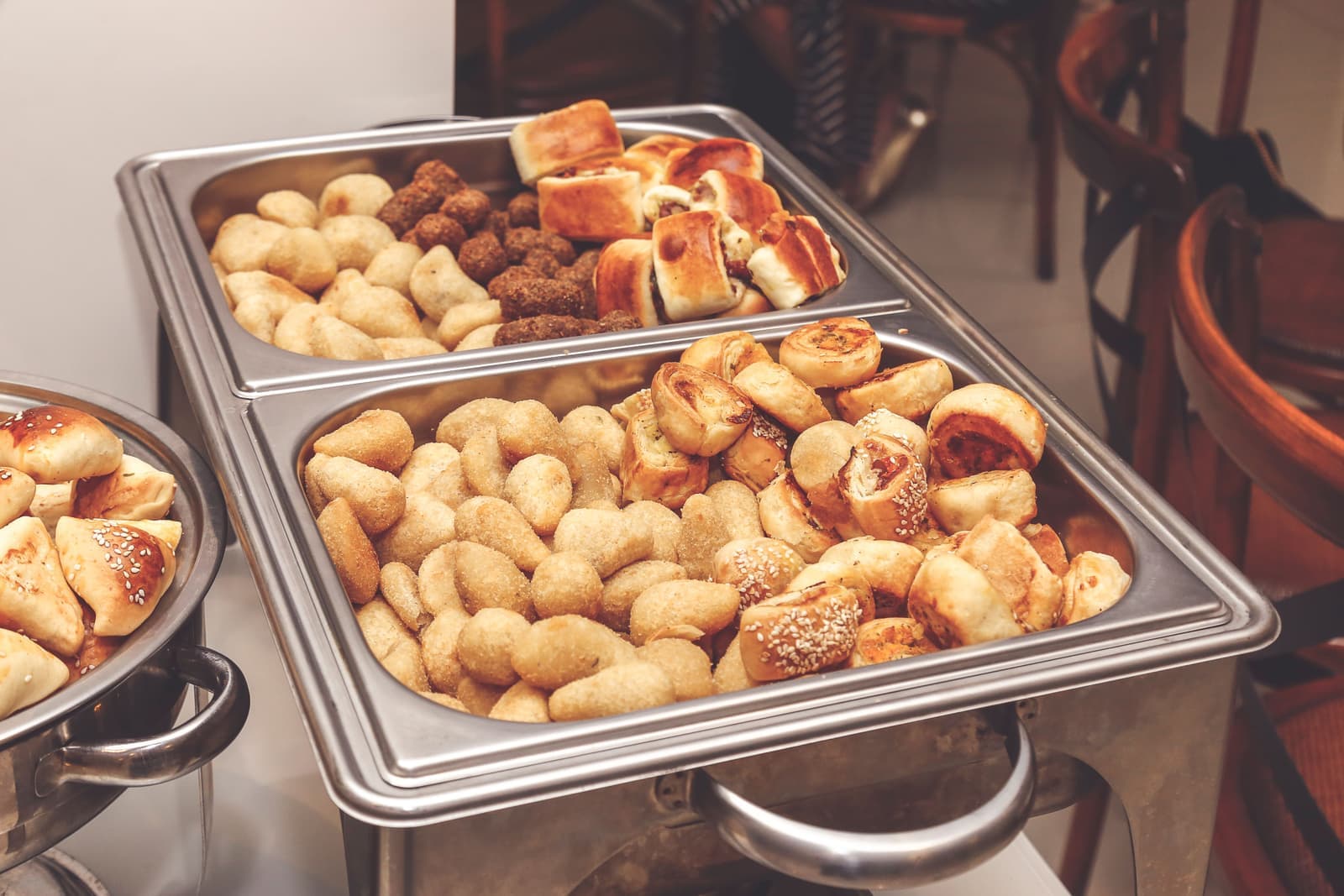
Split the tray in two. Anything wet — meatballs, dips, sliders, anything in sauce — goes into a covered chafer, a buffet-server pan or a slow cooker on Warm and holds happily for hours above 140F. Anything crisp goes on a wire rack in a single layer, uncovered, in an oven on its lowest setting, and is served inside about half an hour. There is no appliance that holds fried food crisp for an hour; what works is baking it in two waves. Everything below is which method suits which appetizer, the two safety numbers that apply to the whole table, and the four mistakes that cost people their first course.
Quick picks
| # | Product | Best for | Score | Price |
|---|---|---|---|---|
| 1 | 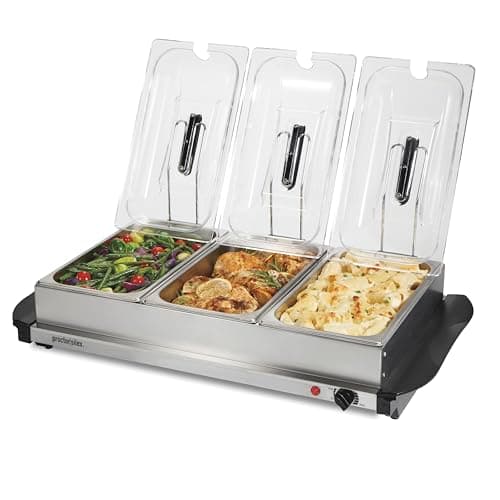 Proctor Silex Electric Buffet Server and Food Warmer with LidsThree lidded 2.5-quart pans plus a warming surface in the middle, so three different appetizers hold at once on one outlet. | Best for an appetizer spread | 9.2 | $64.95 · View on Amazon #ad We may earn a commission · Price as of November 5, 2026 |
| 2 | 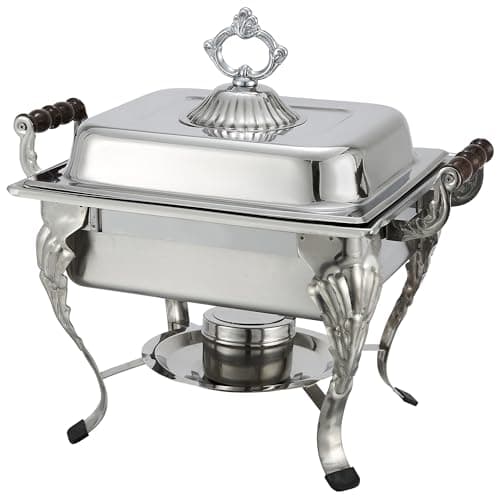 Winco Half Crown Chafer, 4 QuartA 4-quart half-size chafer runs on a fuel can, so the appetizer table can be wherever the people are. | Best with no outlet in reach | 9.2 | $92.91 · View on Amazon #ad We may earn a commission · Price as of November 5, 2026 |
| 3 | 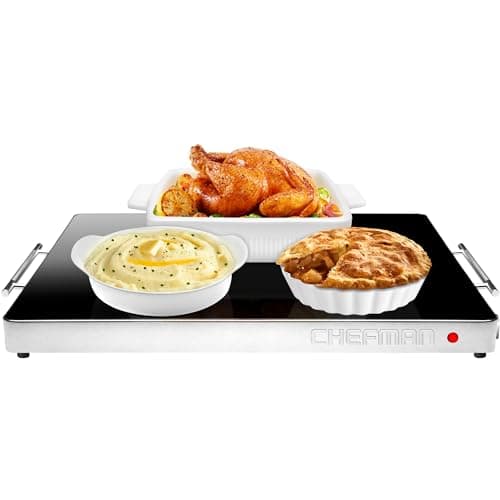 Chefman Electric Warming Tray, 21 x 16 inAn open 21 by 16 inch surface with no lid and no water pan — the only holding method here that does not steam food. | Best for crisp appetizers and a mixed tray | 9.4 | $79.99 · View on Amazon #ad We may earn a commission · Price as of November 5, 2026 |
| 4 | 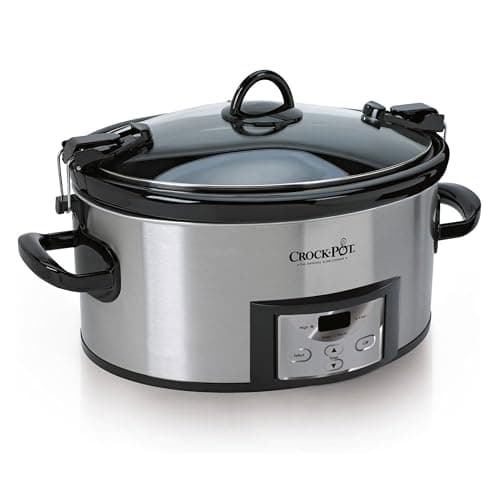 Crock-Pot 6-Quart Cook & Carry Programmable Slow CookerA 6-quart cooker on Warm holds dips, meatballs and anything braised for hours with no attention at all. | Best for anything saucy, and you own one already | 8.4 | $103.95 · View on Amazon #ad We may earn a commission · Price as of November 5, 2026 |
| 5 | 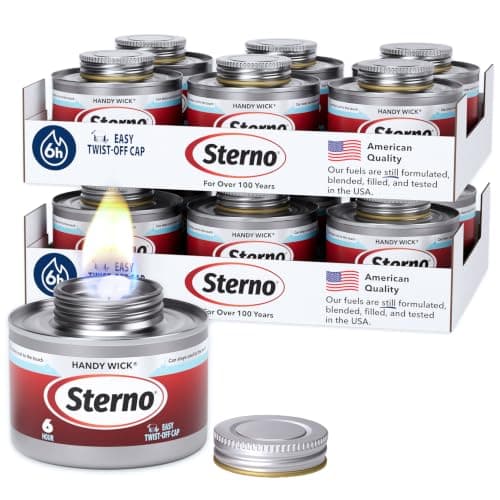 Sterno Handy Wick Twist Top Chafing Fuel, 12 PackSix-hour cans with a resealable twist top, which is what an appetizer table that opens an hour before dinner actually needs. | The fuel for a long appetizer window | 9.4 | $30.99 · View on Amazon #ad We may earn a commission · Price as of November 5, 2026 |
Scores are our own editorial rubric, explained on how we pick. Four criteria per category on a published 8.4-9.8 scale, so the leading pick is clear at a glance. A product scores the same here as it does on every other page of this site.
Why appetizers are a different problem from dinner
Holding the main course is a twenty-minute problem: the turkey rests, the sides come out, everyone sits down. Holding appetizers is a ninety-minute problem, and the food is the wrong shape for it. Three things change:
- The portions are tiny. A meatball, a wing, a stuffed mushroom. Small pieces have a lot of surface for very little middle, so they shed heat several times faster than a tray of mashed potatoes.
- The window is long and open-ended. Guests arrive across an hour. The appetizer table has to be good at 6:15 and still good at 7:30, which no oven timer plans for.
- Half of it is supposed to be crisp. Wings, pastry, anything fried, anything breaded. This is the part that separates appetizers from every other holding job, and it is why our general guide to keeping food warm — which is written around mains and sides — does not solve it.
So the first decision is not which appliance to buy. It is to stop treating the appetizer table as one job and split it into two.
The two numbers that apply to the whole table
140F. Hot food that is being held has to stay at or above 140F, measured in the food rather than read off a dial, because the USDA Danger Zone — the range where bacteria multiply fastest — runs from 40F to 140F. Every appliance on this page is being asked to clear that floor, and an adjustable dial on its lowest setting sometimes does not.
Two hours. Food that is not being held hot or cold gets two hours, total, out of refrigeration. That clock starts when the dish leaves the heat, not when the first guest arrives, and it is cumulative — the twenty minutes a platter spent on the counter while you found the serving spoon counts.
The practical reading of those two numbers for an appetizer table: anything that is going to sit out for more than about an hour needs to be sitting on something that is actually heating it. A beautiful unheated platter is a two-hour item, after which it goes away. That is not a reason to skip the platter; it is a reason to put out half of it and keep the rest in the refrigerator.
One honest note on measuring it. Appliance dials lie, especially at the bottom of their range, and a buffet pan whose base is at 160F can have food at 120F in the middle. If you are holding anything for more than an hour, put a probe in it once at the start — the probes are ranked in the thermometer guide.
Match the method to the appetizer
This table is the whole page. Find the row your food is in and use that method.
| Appetizer | Hold it in | How long it stays good |
|---|---|---|
| Meatballs, little sausages, anything in sauce | Covered chafer, buffet pan or slow cooker on Warm | Hours. These improve slightly |
| Hot dips, queso, spinach and artichoke | Slow cooker or a covered buffet pan, stirred once | Hours, if stirred so it does not skin over |
| Sliders and anything in a bun | Covered pan, foil on the surface | About an hour before the bun goes damp |
| Wings, fried chicken, anything breaded | Single layer on a wire rack, uncovered, oven on lowest | 20 to 30 minutes at full quality |
| Pastry, puff, sausage rolls, pigs in blankets | Nothing. Bake in two waves instead, or hold uncovered on a rack | 15 to 20 minutes before the layers soften |
| Fries and potato skins | Wire rack, uncovered, hottest low setting you have | 15 minutes, honestly |
| Cheese boards, charcuterie, crudites | Not a warm item — this is a two-hour cold item | Two hours out, then replaced |
The pattern down the right-hand column is the useful bit: moisture holds and crunch does not. Nothing in the second half of that table is a purchase problem. It is a scheduling problem.
Crisp appetizers: why the chafer is the wrong answer
A chafing dish works by suspending a food pan over about an inch of hot water. That is deliberate — the water spreads the heat evenly and stops the pan scorching, which is exactly what you want under meatballs. It also means the food is sitting in a closed, humid box with a lid on it. Put wings in there and in twenty minutes the breading has absorbed the steam it was trying to escape from.
Our judgment, and it is a judgment rather than a cited fact: for crisp food you want the opposite of a chafer in all three respects. No lid, so steam leaves. No water, so there is no steam to begin with. And air underneath, so the bottom of the piece is not sitting in its own moisture. That describes a wire rack over a baking sheet in an oven on its lowest setting, which costs nothing and is better than any appliance on this page for the job.
Two details that matter more than they sound:
- Single layer, always. Piled food steams itself. Two sheets with one layer each beats one sheet with two layers, every time.
- No paper towels under it. They are for draining, not for holding. Left underneath, they hold moisture against the food and soften the one surface you were protecting.
And accept the time limit. Twenty to thirty minutes is what an open hold buys you at genuinely good quality. That is enough to get a batch out of the fryer, onto the rack and onto the table while you finish the next one — which is the real technique.
Bake in waves — the actual answer for a long window
The thing that fixes an appetizer table is not equipment. It is refusing to put all of it out at once.
Decide your two waves before anyone arrives. Half the pastry and half the wings go in the oven fifteen minutes before the first guest; the other half goes in forty-five minutes later, while people are on their first drink. The second wave arrives hot and crisp at exactly the point the first wave would have gone soft, and nobody counts trays.
Hold the wet things, schedule the dry things. The chafer and the slow cooker cover the entire window without attention, so they go out first and stay out. Everything crisp is on a timer in your head, not on a heat source.
Keep the second wave in the refrigerator, not on the counter. The two-hour clock does not run while it is cold, and frozen or chilled pastry bakes better from cold anyway.
Then get the oven back. On a holiday the oven is the bottleneck, and an appetizer wave at 400F is competing with the bird. If your timeline is tight, this is the argument for doing the appetizers in a toaster oven or an air fryer and leaving the big oven alone — the whole sequencing problem is laid out in the cooking timeline.
Fuel, outlets and the window you actually have
If you are running chafers, buy for the window rather than the maximum. Chafing fuel comes in two, four and six hour cans, and gel is also sold in short burns of around forty-five minutes. An appetizer table that opens an hour before dinner needs two hours of burn, so a two-hour can does the job and a six-hour can does it with margin and reseals for next time.
Three rules that come with an open flame on a table people are reaching across:
- Keep about an inch of hot water in the water pan. Start it hot, not cold. A dry water pan scorches the food pan and wastes most of the fuel.
- Never put water on a chafing fuel can to put it out. Use the lid, a snuffer, or smother it. This is the one safety rule people improvise and should not.
- Light it after it is in position, and put the chafer somewhere a sleeve cannot catch the frame. The fuel types, burn times and the safety detail are all in the chafing fuel guide.
If you are going electric instead, count the circuit before you count the dishes. A warming tray, a buffet server, a slow cooker and a roaster oven at around 1,450 watts on the same kitchen circuit is how a breaker trips while the bird is resting. Spread them across rooms, or put the appetizers on fuel and keep the outlets for the main course.
Four mistakes that cost people their first course
Covering everything in foil. It is the instinct and it is wrong half the time. Foil on a saucy dish is help; foil on anything with a crust is a steam tent. If a dish is going under foil, ask first whether you are protecting heat or destroying texture.
Treating a warm setting as a reheat. Holding appliances hold. A warming tray will not bring a cold dip up to temperature, and a slow cooker on Warm will take hours to try. Food goes onto a holding surface hot, or it does not go on at all.
Putting the appetizers in the kitchen. You will be in the kitchen, and so will twelve guests, and the one room that needs working space becomes the one room everyone is standing in. Put the appetizer table somewhere else — which is also the argument for a fuel chafer over a cord.
Starting the clock early. The two-hour rule counts from when the food left the heat. Platters that went out at 5:30 for a 7:30 dinner are finished by the time dinner is served, whatever they look like. Put out half, hold half cold, and swap.
If the party is New Year’s rather than Thanksgiving, the menu side of this — which dishes are worth making when the window is four hours rather than ninety minutes — is in party food that stays hot.
The products, in detail
#ad We may earn a commission · Price as of November 5, 2026
#1 · Best for an appetizer spread
Proctor Silex Electric Buffet Server and Food Warmer with Lids
Three lidded pans plus a warming surface in the middle. This is the one that turns a kitchen counter into something that reads as a buffet.
Appetizers are a quantity-of-dishes problem rather than a volume-per-dish problem. Three 2.5-quart pans is a far better match to that than one big chafer: meatballs in one, a hot dip in another, something saucy in the third, and the warming plate in the middle for a platter that is not in a pan.
The lids are a real advantage on the wet dishes and a real liability on the dry ones. Keep the domes on the meatballs and the dip, where trapped moisture is doing you a favor, and leave anything with a crust out of this appliance entirely. That is not a criticism of the unit; it is the physics of a covered pan.
- Pans
- Three 2.5 qt stainless
- Lids
- Domed, with lid rests
- Control
- Adjustable dial
- Best for
- Sides and a carving station
Why we picked it
- Three 2.5 qt stainless pans — about the right portion size for appetizers
- Domed lids with rests, so guests are not holding a hot lid
- The middle warming surface takes a platter or a bowl of something crisp
- One cord and one dial for the whole spread
- Pans lift out for washing
Good to know
The lids are the problem for anything with a crust — hold those uncovered
Portion fit for appetizers
9.8
Number of dishes held
9.8
Temperature control
9.2
Works for crisp food
8.4
#ad We may earn a commission · Price as of November 5, 2026
#2 · Best with no outlet in reach
Winco Half Crown Chafer, 4 Quart
Half the footprint for a table that is not a banquet hall. Two of these beat one full-size chafer, because you can hold two dishes instead of one large one.
The argument for a chafer over an electric server at an appetizer table is placement. Appetizers want to be where the guests are standing, which is usually not within a cord of an outlet, and an extension lead across a doorway at a party is a worse idea than any food-safety problem on this page.
Half-size is the right size here. A full-size chafer pan holds around eight to nine and a half quarts and is built for a banquet line; the half-size pan is about four, which is a sensible amount of one appetizer. If you need two dishes, two half chafers beat one full one, and how many chafing dishes you need has the arithmetic by guest count and table length.
The one thing it cannot do is keep anything crisp. A chafer works by sitting a food pan over about an inch of hot water: that is gentle, even heat and it is also a steam bath. Wings go in crunchy and come out tender, every time.
- Capacity
- 4 qt, half-size pan
- Footprint
- About half a full chafer
- Material
- Stainless steel
- Best for
- Home sideboards and small tables
Why we picked it
- No cord, so it goes on a coffee table or an island with no outlet
- 4 qt half-size pan suits an appetizer portion rather than a banquet
- About half the footprint of a full-size chafer
- Two of these hold two dishes for less space than one full chafer
- Stainless, so it looks like catering rather than improvisation
Good to know
An open flame underneath, which needs a sturdy surface and no children
Portion fit for appetizers
9.6
Placement freedom
9.8
Temperature control
8.4
Works for crisp food
8.4
#ad We may earn a commission · Price as of November 5, 2026
#3 · Best for crisp appetizers and a mixed tray
Chefman Electric Warming Tray, 21 x 16 in
The size is the point: 21 by 16 inches takes three serving dishes at once, which is the difference between a warm buffet and one warm side dish.
Of everything on this page, an open warming tray is the kindest to crisp food, because there is no lid and no water. It is still not magic: heat comes from below, so a pile of wings keeps the bottom layer hot and lets the top go cool, and whatever touches the glass will soften where it touches.
The fix costs nothing. Put a small wire rack on the tray and the food in a single layer on the rack. Air gets underneath, steam leaves instead of collecting, and you have the best crisp hold available outside an oven. It is also the right surface for a mixed tray — a dish of something hot, a platter of something warm, and a bowl you want to keep from going cold.
The full ranking of trays by surface size is in the best warming trays.
- Surface
- 21 x 16 in tempered glass
- Control
- Adjustable temperature
- Holds
- About 3 dishes
- Clean
- Wipe-down glass top
Why we picked it
- 21 x 16 in takes about three dishes, or one big platter
- No lid and no water, so nothing softens from trapped moisture
- Adjustable temperature rather than one fixed setting
- Tempered glass wipes clean after a dip has dripped
- Keeps the food visible, which is how appetizers actually get eaten
Good to know
Heats from underneath only — the top of a tall pile stays cool
Portion fit for appetizers
9.4
Number of dishes held
9.6
Temperature control
9.0
Works for crisp food
8.6
#ad We may earn a commission · Price as of November 5, 2026
#4 · Best for anything saucy, and you own one already
Crock-Pot 6-Quart Cook & Carry Programmable Slow Cooker
The warming appliance most people already own. Mashed potatoes and gravy hold beautifully on Warm; anything with a crust does not.
- Capacity
- 6 qt
- Control
- Programmable, digital timer
- Best for
- Potatoes, gravy, stuffing
- Not for
- Anything crisp
Why we picked it
- You almost certainly already have one, which makes it free
- Warm setting holds for hours without further cooking
- The pot is deep, so a dip stays hot rather than skinning over
- Programmable, so it can be set and left
- Guests can serve themselves straight out of it
Good to know
Registry note on this model is blunt: not for anything crisp
Portion fit for appetizers
8.8
Set-and-forget
9.8
Temperature control
9.4
Works for crisp food
8.4
#ad We may earn a commission · Price as of November 5, 2026
#5 · The fuel for a long appetizer window
Sterno Handy Wick Twist Top Chafing Fuel, 12 Pack
A twelve-pack is the realistic home quantity — enough for two chafers over two holidays rather than a case you will still be looking at in 2029.
- Burn time
- 6 hours
- Type
- Twist-top wick
- Cap
- Resealable twist top
- Pack
- 12 cans
Why we picked it
- 6 hour burn covers the whole pre-dinner window and then some
- Twist top reseals, so a part-used can is not wasted
- Twelve to a pack, which is two chafers across two holidays
- No power needed, so the table goes wherever you want it
Good to know
A real open flame on a table people are reaching across
Burn time for the window
9.8
Value per can
9.4
Resealability
9.8
Heat output
8.8
Frequently asked questions
Split them. Wet appetizers — meatballs, dips, anything in sauce — go in a covered chafing dish, a buffet-server pan or a slow cooker on Warm, and hold for hours as long as the food stays at or above 140F. Crisp appetizers go in a single layer on a wire rack, uncovered, in an oven on its lowest setting, and get served inside twenty to thirty minutes. For a long window, bake the crisp things in two waves rather than trying to hold them.
Uncovered, in a single layer, on a wire rack so air reaches the underside, in an oven on its lowest setting. No lid, no foil, no water pan and no paper towel underneath — all four trap the steam that softens breading. Even done properly this buys twenty to thirty minutes, so the real answer for a long party is to fry or bake in batches and bring each one out fresh.
Yes for anything wet, and it is the best tool for the job — a chafer sits the food pan over about an inch of hot water, which is gentle, even heat that holds for hours on one fuel can. No for anything crisp. That water is deliberate and it makes the chafer a humid box with a lid on it, which is the fastest way to turn crunchy wings into tender ones.
Two hours out of refrigeration if nothing is heating or chilling them, and the clock starts when the dish left the heat rather than when guests arrived. Food that is actively held at or above 140F is not on that clock while it stays there. The practical move for a long party is to put out half of everything, keep the rest cold, and swap the trays rather than topping them up.
Whatever setting keeps the food itself at or above 140F, which on most adjustable trays is not the lowest one. Check it with a probe in the food once at the start rather than trusting the dial, because a hot surface and hot food are not the same thing — a tray base at 160F can still leave the middle of a dish under the safe floor.
A slow cooker if you already own one and the appetizer is saucy: Warm holds it for hours with no attention and no flame. A chafing dish if you need the food to live away from an outlet, or if you want a shallow pan guests can actually serve from — a deep slow cooker is awkward to reach into once it is half empty. Neither is right for anything crisp.
Sources
Related reading
- How to Keep Food Warm for a PartyEight methods ranked, with the 140F safety floor explained and the dishes that simply will not hold.
- The Best Warming Trays for a Holiday BuffetFive ways to hold food above 140F until dinner, ranked — from a 21-inch glass tray to the slow cooker you already own.
- The Best Chafing Dish FuelWick, gel and safe-pad fuels compared on real burn time, smoke and resealability, with the quantity to buy for a home buffet.
- How Many Chafing Dishes Do You Need?One chafer per hot dish, not per guest. The pan-volume math, how many fit on a 6ft or 8ft table, the fuel count, and worked kits for 20, 50 and 100 guests.
- New Year's Eve Party Food That Stays HotWhat holds for five hours, what does not, and the equipment that lets a buffet run without you.
- A Thanksgiving Cooking Timeline That Fits One OvenBackwards from dinner: what to make two days ahead, the oven schedule, the last hour, and how to hold everything at 140F while the table fills up.