How to Brine a Turkey
One cup of kosher salt per gallon of water, twelve to twenty-four hours, kept below 40F. That is the whole thing.
By Mike M. · Published · Last updated
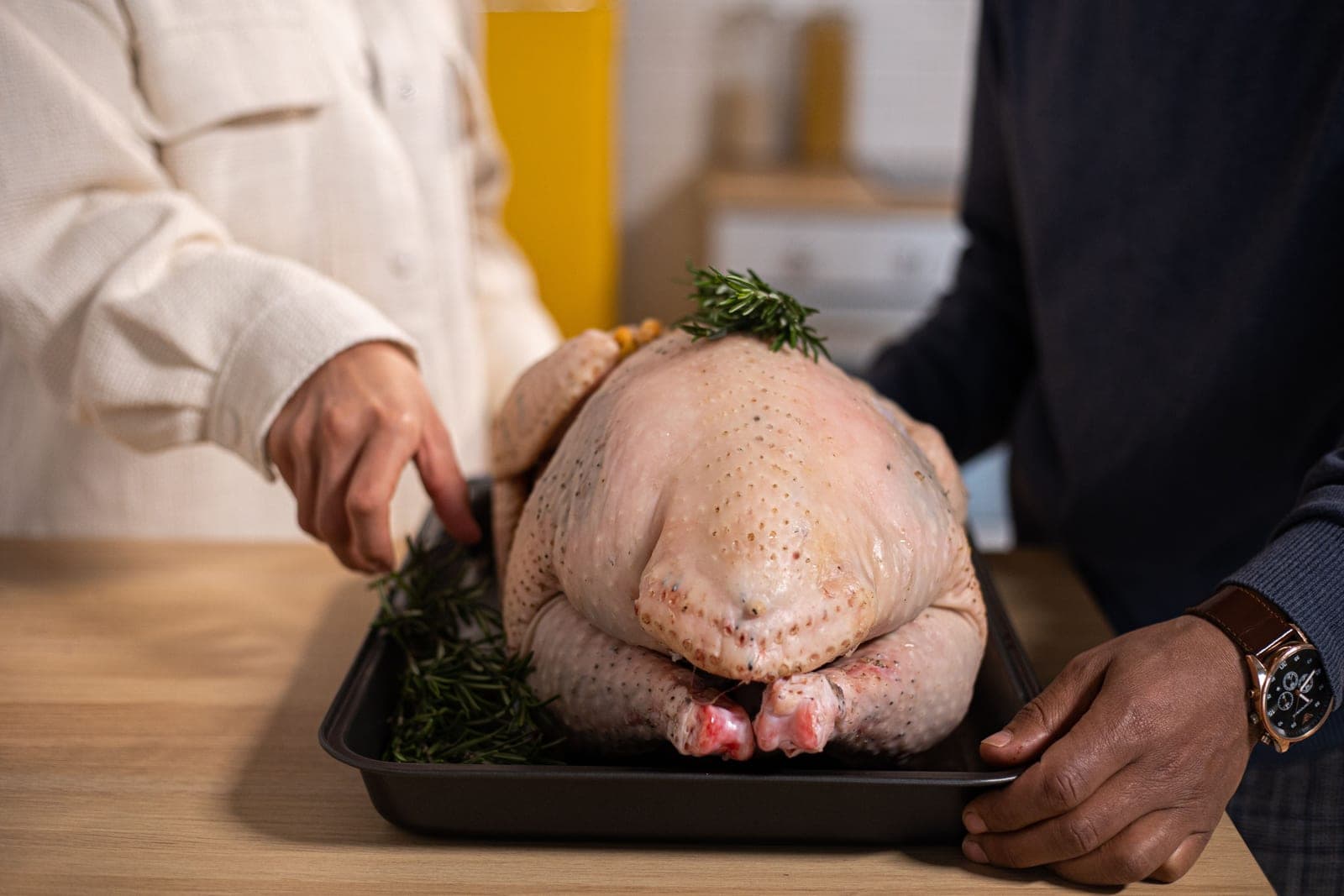
How this page is funded: Fryer & Feast is a participant in the Amazon Associates Program. If you buy through a link here we may earn a commission, at no extra cost to you. It never changes which products we recommend — see how we pick and our full affiliate disclosure. We do not publish prices on this site — every buy link sends you to the retailer for the live price.
The turkey brine ratio: 1 cup of kosher salt per gallon of water. Use enough to submerge the bird — usually two to three gallons for a 16-pound turkey. Brine for roughly one hour per pound, to a maximum of 24 hours, keeping everything below 40F throughout.
| Turkey weight | Brine volume | Kosher salt | Time |
|---|---|---|---|
| 10-12 lb | 2 gallons | 2 cups | 10-12 hours |
| 12-16 lb | 2-3 gallons | 2-3 cups | 12-16 hours |
| 16-20 lb | 3 gallons | 3 cups | 16-20 hours |
| 20-24 lb | 3-4 gallons | 3-4 cups | 20-24 hours |
Do not brine a pre-brined bird. Check the label — most supermarket turkeys are sold enhanced with a salt solution, and brining one again makes it inedible.
Quick picks
| # | Product | Best for | Score | Price |
|---|---|---|---|---|
| 1 | 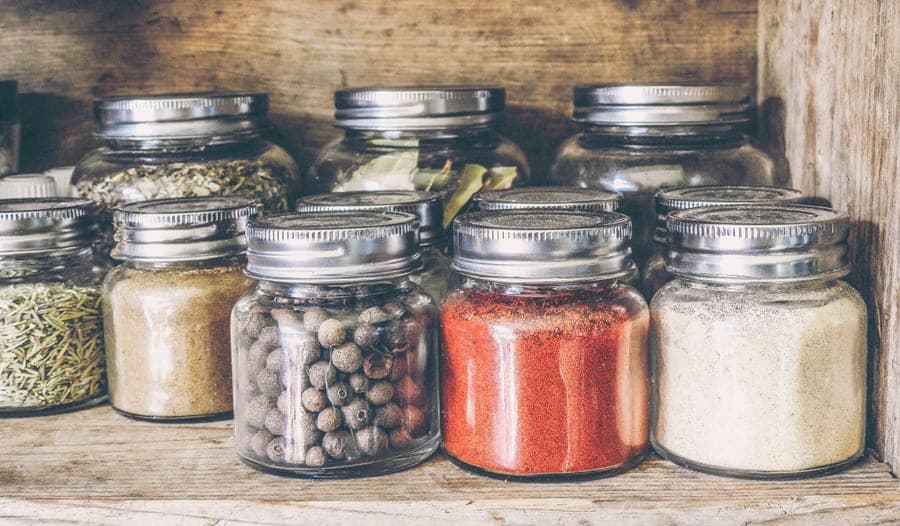 Fire & Flavor Turkey Perfect Brine KitMeasured brine and a 25 lb bag, so nothing needs weighing. | Easiest first brine | 8.9 | |
| 2 | 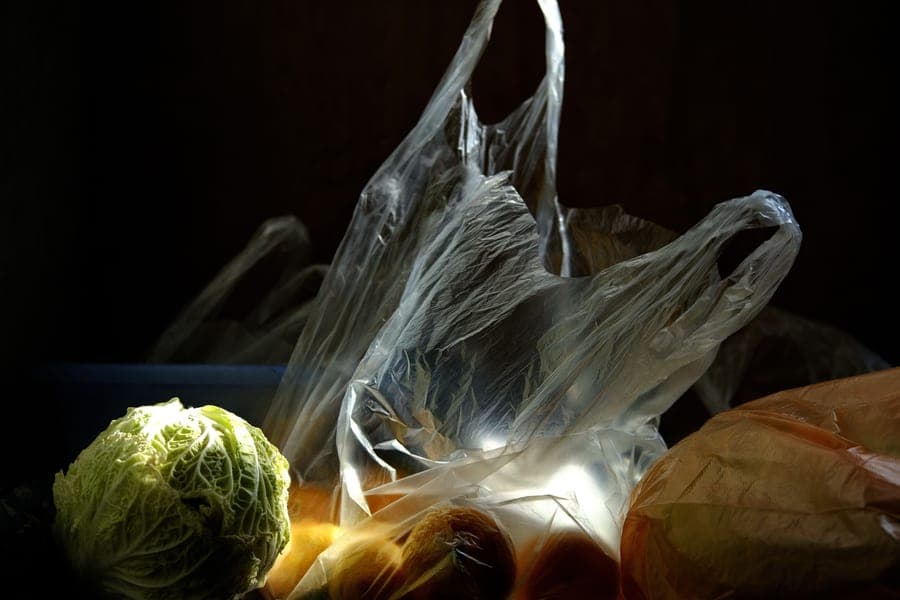 Heavy-Duty Turkey Brining Bags (2-Pack)Two-pack, because the first bag always tears. | For a from-scratch brine | 8.8 | |
| 3 |  Food-Grade Brining Bucket with Lid, 22 QtRigid, reusable, and it survives a cooler full of ice. | If you brine every year | 8.6 |
Scores are our own editorial rubric, explained on how we pick. They are not customer ratings and we do not publish star ratings for products we have not handled.
What brining actually does
Salt dissolved in water does two things to turkey. It seasons the meat all the way through rather than only the surface, and it changes the structure of the muscle proteins so they hold on to more water during cooking.
The practical consequence is forgiveness. Turkey breast is very lean, and the window between cooked and dry is narrow. A brined bird that overshoots by ten degrees is still good; an unbrined one is noticeably dry. For a first-time host, that margin is the whole point.
It matters most where the cook is long — a roaster oven or an oil-less fryer. In a deep fryer, where the bird is done in under an hour, it matters less.
The wet brine, step by step
- Check the label. If it says enhanced, self-basting, or contains a solution, stop — it is already brined.
- Make the brine. Dissolve 1 cup of kosher salt per gallon of water. Heating a portion of the water helps the salt dissolve; if you do that, you must chill the whole thing completely afterward.
- Add aromatics, optionally. Peppercorns, bay, thyme, garlic, orange peel. A half cup of brown sugar per gallon helps the skin brown.
- Chill the brine completely. Warm brine on raw poultry is a food-safety problem, not a shortcut.
- Submerge the bird. In a bag standing in a roasting pan, a food-safe bucket, or a cooler with ice. Breast down if you can.
- Refrigerate below 40F for the time in the table above.
- Rinse thoroughly inside and out under cold water.
- Dry it completely. Pat with paper towels, then leave uncovered in the fridge for a few hours. This is what gets you crisp skin — and if you are frying, it is a safety requirement.
- Discard the brine. It has had raw poultry in it.
The dry brine, for when the fridge is full
A dry brine is the same chemistry with no container. Salt draws moisture out of the skin, that moisture dissolves the salt, and the resulting concentrated brine is reabsorbed into the meat. The skin, meanwhile, dries out — which is exactly what you want.
- Use about 1 tablespoon of kosher salt per 4 to 5 pounds of bird.
- Rub it over the skin, under the skin where you can, and inside the cavity.
- Put the bird on a rack over a tray and refrigerate uncovered for 24 to 48 hours.
- Do not rinse. Pat dry and cook. The salt has been absorbed.
Dry brining gives crisper skin than wet brining and needs one normal fridge shelf instead of a bucket. If your fridge is already full — and in that week it will be — this is the method to use.
Which salt, and why it matters more than you think
Use kosher salt or coarse sea salt. Never iodized table salt — the iodine leaves a distinctly metallic taste in something you have soaked for a day.
The reason this is not a nitpick: different salts have very different volumes for the same weight, because the crystals are different sizes. A cup of table salt contains substantially more salt than a cup of coarse kosher salt. Substituting one for the other by volume is how a brine ends up inedible, and it is the single most common brining failure.
If you are working from a recipe that specifies a brand of kosher salt and you have a different one, weigh rather than measure by volume. Or buy a pre-measured kit and remove the problem.
The food-safety rules
- Below 40F the entire time. Published guidance puts 40F to 140F in the danger zone. A brine is a bucket of salted water with raw poultry in it — at room temperature it is a culture medium.
- Thaw completely first. Roughly 24 hours per four to five pounds in the fridge, and that is before the brining time starts.
- Never reuse the brine. Not as stock, not for a second bird.
- Sanitize everything it touched. The container, the sink, the counter.
- Dry the bird exceptionally well before frying. Surface moisture in 350F oil is the thing every safety guide warns about — see our fryer safety guide.
Where brining fits in the schedule
Work backward from dinner. A 16-pound bird needs roughly three to four days to thaw and then 12 to 16 hours to brine, so the freezer has to be opened about five days out.
A dry brine wants 24 to 48 hours, which means Tuesday or Wednesday for a Thursday dinner — and it needs no fridge space beyond a tray. Our hosting checklist puts the whole sequence on a calendar.
The products, in detail
#1 · Easiest first brine
Fire & Flavor Turkey Perfect Brine Kit
The complete answer for a first brine: measured salt and aromatics plus a bag rated to 25 pounds, so there is nothing to weigh and nothing to improvise.
- Includes
- Brine mix and bag
- Bag rated
- Up to 25 lb bird
- Flavors
- Herb, apple sage, lemon pepper
- Prep
- Dissolve, submerge, refrigerate
What’s good
- Bag included
- Nothing to measure
- Several flavors
What’s not
- Single use
- Costs more than salt
Completeness
9.4
Flavor
8.8
Ease of use
9.4
Value
8.0
#2 · For a from-scratch brine
Heavy-Duty Turkey Brining Bags (2-Pack)
Buy the two-pack. One bag holds the bird, the second is the one you actually use after the first one tears at the worst possible moment.
- Rated
- Up to 20-25 lb
- Material
- BPA-free food grade
- Use
- Double-bag in a roasting pan
- Storage
- Fits a fridge shelf
What’s good
- Lies flat on a shelf
- Rated to 20-25 lb
- Cheap
What’s not
- Single use
- Stand it in a roasting pan
Usefulness
9.0
Build
7.8
Value
9.2
Necessity
9.0
#3 · If you brine every year
Food-Grade Brining Bucket with Lid, 22 Qt
The reusable answer if you brine more than once a year, and the only one that survives a cooler full of ice without springing a leak in your fridge.
- Capacity
- About 22 qt
- Material
- Food-grade, BPA-free
- Fits
- A turkey up to about 20 lb
- Bonus
- Reusable; no bag waste
What’s good
- Reusable
- Lidded
- No leak risk
What’s not
- Takes a lot of fridge
- Needs more brine than a bag
Fridge fit
6.8
Durability
9.4
Reusability
9.8
Value
8.4
Frequently asked questions
One cup of kosher salt per gallon of water, with enough brine to submerge the bird — usually two to three gallons for a 16-pound turkey. Never use iodized table salt.
Roughly one hour per pound for a wet brine, capped at 24 hours. A 16-pound bird wants 12 to 16 hours. A dry brine wants 24 to 48 hours instead.
After a wet brine, yes — rinse inside and out, then dry thoroughly. After a dry brine, no; the salt has been absorbed and rinsing undoes the dried skin you were building.
No. Most supermarket birds are sold enhanced with a salt solution — check the label for “enhanced”, “self-basting” or “contains up to X% solution”. Brining one again makes it inedibly salty.
It gives crisper skin and needs vastly less space; a wet brine gives slightly juicier meat. For most home kitchens in the week of the holiday, dry brining is the more practical choice and the results are excellent.
Sources
Related reading
- The Best Turkey Brine KitsThree brine kits ranked, plus the bag you need with them and the from-scratch alternative.
- The Best Brining Bags and BucketsBags, reusable buckets and the cooler method — with the honest answer about fridge space.
- How to Deep Fry a TurkeyThe whole process in order, with the numbers sourced — thaw, measure, heat to 350F, cook to 165F, rest.
- How to Use a Roaster OvenThe whole method from preheat to holding the sides warm afterward, with times by weight.
- The Thanksgiving Hosting ChecklistTwo weeks to zero hour, day by day — with the thaw math and the final hour broken down minute by minute.