Propane vs Electric Turkey Fryer
This is the fork in the road, and for a first-time host it is not close. Here is the case for each, and the honest recommendation.
By Mike M. · Published · Last updated
How this page is funded: Fryer & Feast is a participant in the Amazon Associates Program. If you buy through a link here we may earn a commission, at no extra cost to you. It never changes which products we recommend — see how we pick and our full affiliate disclosure. We do not publish prices on this site — every buy link sends you to the retailer for the live price.
Get an electric fryer if your bird is 20 pounds or under, this is your first time, or you would rather not spend the afternoon managing an open flame under five gallons of hot oil.
Get a propane fryer if you need to cook a bird over 20 pounds, you want the fastest possible cook, or you already fry outdoors and know the drill.
Quick picks
| # | Product | Best for | Score | Price |
|---|---|---|---|---|
| 1 | 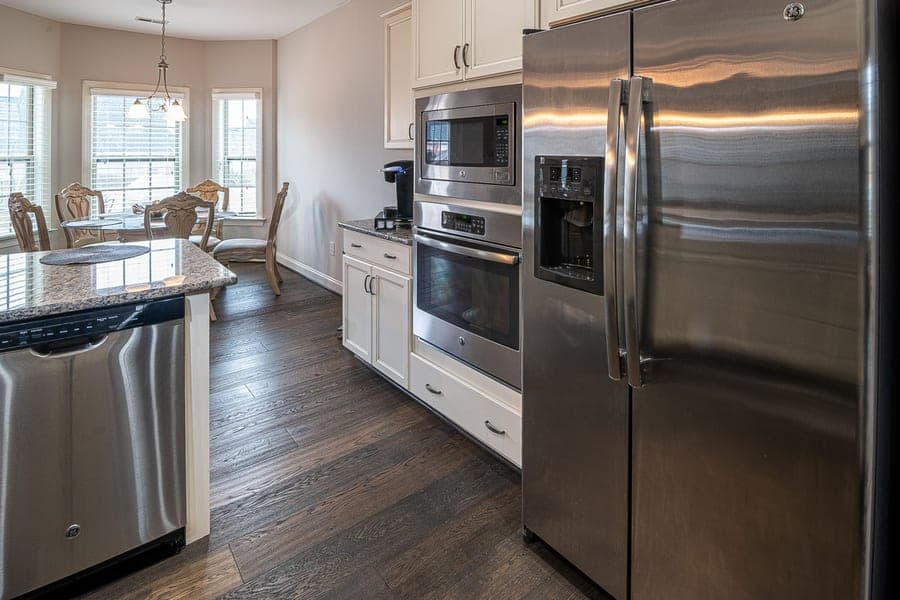 Masterbuilt Butterball XL Indoor Electric Turkey FryerIndoors, thermostatic, a third of the oil, no flame. | Get electric if this is your first time | 8.6 | |
| 2 | 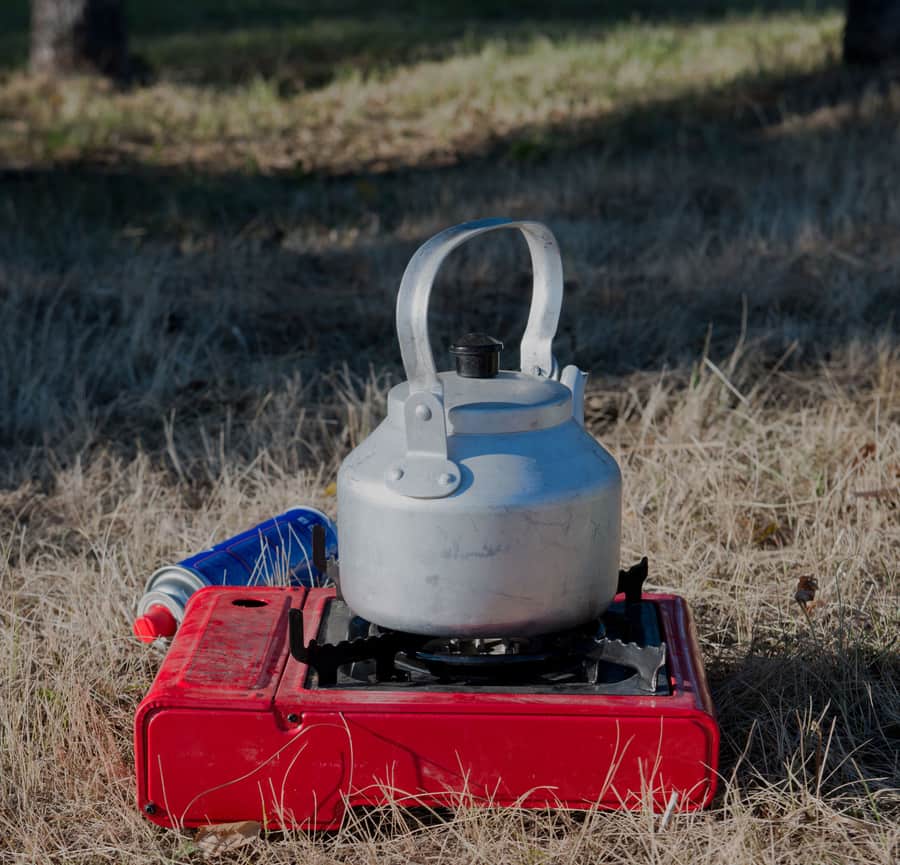 King Kooker Outdoor Propane Turkey Fryer KitA bird up to about 21 lb, and a complete kit in one box. | Get propane if you need the capacity | 8.2 |
Scores are our own editorial rubric, explained on how we pick. They are not customer ratings and we do not publish star ratings for products we have not handled.
The comparison, attribute by attribute
| Electric (indoor) | Propane (outdoor) | |
|---|---|---|
| Where it runs | Kitchen countertop | Outdoors, level ground, clear of structures |
| Max bird | About 20 lb | 21-25 lb depending on pot |
| Oil needed | About 2.75 gal | 4-5 gal |
| Temperature control | Thermostat | Your hand on the regulator |
| Time to 350F | Typically 30-45 min | Typically 45-60 min |
| Weather | Irrelevant | Wind and rain both matter |
| Open flame | None | Yes |
| Typical cost | Higher up front | Lower up front, more oil |
| Storage | Large appliance | Pot, stand, burner, hose |
| Worst realistic failure | A spill on the kitchen floor | A structure fire |
The safety gap is the whole argument
Both configurations heat oil to 350F, so both can burn you. The difference is how much can go wrong around that.
On propane you are managing an open flame, a pressurized tank, a stand that has to stay level under a growing load, wind that affects the burner, and — per State Farm’s guidance — a required two feet of separation between burner and tank. The National Turkey Federation adds: never on a wooden deck, never in a garage, never indoors. Each rule exists because somebody broke it.
On an indoor electric, almost none of that applies. What remains is the one rule that never goes away: the bird must be completely thawed and dry. That single failure — ice meeting hot oil — is behind most fryer incidents on any fuel.
For context on where the fire service lands, the NFPA discourages oil turkey fryers generally and points people toward oil-less units or a bought fried turkey.
Where propane genuinely wins
Capacity, and it is not close. Twenty pounds is a wall on every indoor electric. A 30-quart propane pot handles birds up to around 18 pounds comfortably and a 44-quart pot reaches 25.
Propane also has raw power. A strong burner recovers oil temperature faster after the bird goes in, which produces a crisper skin. And a full kit costs less than a comparable indoor electric.
Before you buy on capacity alone, though, read our guide to feeding twenty. Two 13-pound birds almost always beat one 26-pound bird — they cook faster, more evenly, and they fit equipment you can actually lift.
What each one really costs
The sticker price misleads. A propane kit is cheaper up front and then wants four to five gallons of oil, a propane refill, and a disposal plan. An indoor electric costs more up front and needs about 2.75 gallons and no fuel. Over two or three seasons the gap narrows considerably.
The costs nobody counts are storage and reuse. A 30-quart pot and stand is a large thing to keep for eleven months. An indoor electric that also boils and steams gets used repeatedly. That is a real difference in value, even if it never appears on a price tag.
Our recommendation
For a first-time host: electric. Buy a bird under 20 pounds to suit it, or cook two. The reduction in things that can go wrong is worth more on the day than the extra capacity.
For someone who has fried before and wants a bigger bird faster: propane, with elbow-length gloves and a grease-rated extinguisher bought at the same time. Both are in our accessories guide.
And if the real goal is freeing up your oven rather than frying at all, an electric roaster oven does that with no oil and takes a 26-pound bird.
The products, in detail
#1 · Get electric if this is your first time
Masterbuilt Butterball XL Indoor Electric Turkey Fryer
The safest realistic first fryer: it lives indoors on a countertop, holds a 20-pound bird, and takes about a third of the oil a propane rig needs.
- Type
- Indoor electric
- Max bird
- Up to 20 lb
- Oil
- About 2.75 gallons
- Also does
- Boil and steam
What’s good
- No open flame and no propane tank to manage
- 2.75 gallons instead of four to five
- Weather stops being part of the plan
- Holds 350F without supervision
What’s not
- 20 lb ceiling
- Counter space
- Wants its own circuit
Safety
9.6
Ease of use
9.2
Capacity
7.5
Value
8.2
#2 · Get propane if you need the capacity
King Kooker Outdoor Propane Turkey Fryer Kit
The value propane kit. Everything you need in one box, a wide stable stand, and a regulator range that lets you back the heat off instead of fighting it.
- Type
- Outdoor propane kit
- Max bird
- Around 21 lb
- Burner
- Adjustable, roughly 9,000-18,000 BTU
- Included
- Pot, stand, burner, hose
What’s good
- Handles birds no indoor electric will take
- Faster to temperature with a strong burner
- Cheapest route into real frying
What’s not
- Open flame, outdoors, with every rule that implies
- Four to five gallons to buy, heat, cool and dispose of
- Wind and rain become your problem
Safety
7.0
Ease of use
7.6
Capacity
9.0
Value
9.2
Frequently asked questions
Materially, yes. It removes the open flame, the propane tank, the outdoor stand and the weather. It does not remove the need for a completely thawed bird and correctly measured oil, which is the failure behind most fryer incidents regardless of fuel.
Slightly. A strong burner recovers oil temperature faster after the bird goes in. Both run at 350F and both work out at roughly three to four minutes per pound, so the difference in finish time is small.
No. The National Turkey Federation is explicit: never indoors, never in a garage, never in an attached structure, and never on a wooden deck. An open flame plus gallons of hot oil in an enclosed space is the worst version of this activity.
Electric, by a wide margin — about 2.75 gallons against four to five for a 30-quart propane pot. That is less to buy, less to heat and considerably less to dispose of afterward.
Sources
Related reading
- The Best Turkey Fryers of 2026Six fryers, ranked for someone doing this for the first time. Indoor electric wins, and we explain exactly why.
- The Best Electric Turkey FryersIndoor electric fryers, ranked — plus the no-oil outdoor alternative if you want electric for safety reasons.
- Turkey Fryer Safety: How to Do This Without IncidentTen ordered safety steps from published fire-safety and turkey-industry guidance, plus the gear that backs them up.
- What Size Turkey Fryer Do I Need?Pot size to bird weight, in one table — plus the guest-count math that tells you which bird to buy in the first place.
- The Best Electric Roaster Ovens of 2026Five roaster ovens ranked, plus the two accessories that make the difference. No oil, no flame, and your oven stays free.