How to Clean a Turkey Fryer
The cleanup is not hard. It is just badly timed — it lands at the end of the day, on a pot full of oil that is still hot enough to burn you two hours after you switched it off.
By Mike M. · Published · Last updated
How this page is funded: Fryer & Feast is a participant in the Amazon Associates Program. If you buy through a link here we may earn a commission, at no extra cost to you. It never changes which products we recommend — see how we pick and our full affiliate disclosure. Every buy link goes straight to the retailer, so the price you see is the live one on the day you buy.
Let the oil cool to room temperature, drain or strain it out, wipe the pot with paper towel before any water touches it, then wash with hot water, dish soap and a soft brush — and dry everything completely before it goes away. The whole job takes about twenty minutes of actual work. The reason it feels harder is the waiting: cooking oil holds burn-capable heat for an hour or more after the burner is off, so nothing moves until the pot is cool enough to carry safely.
Quick picks
| # | Product | Best for | Score | Price |
|---|---|---|---|---|
| 1 | 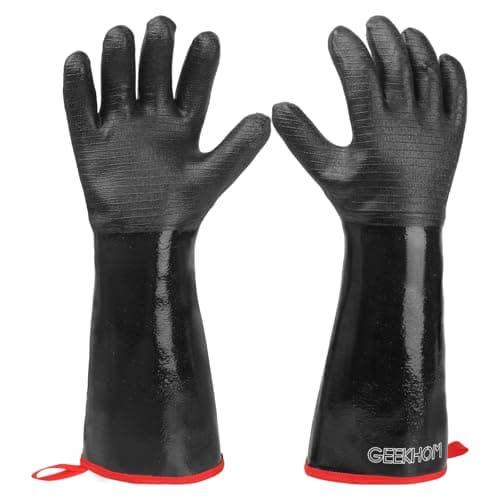 GEEKHOM 18 in Heat-Resistant Waterproof Cooking GlovesLong waterproof gloves are the difference between carrying a warm pot and dropping one. | What you handle it with | 8.9 | $27.69 · View on Amazon #ad We may earn a commission · Price as of October 17, 2026 |
| 2 | 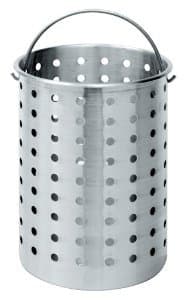 Bayou Classic Aluminum Turkey Fryer Basket, 30 qtA basket washes far more easily than a rack and hook, and it is steadier going in. | What makes cleanup easier next time | 8.8 | $41.62 · View on Amazon #ad We may earn a commission · Price as of October 17, 2026 |
| 3 | 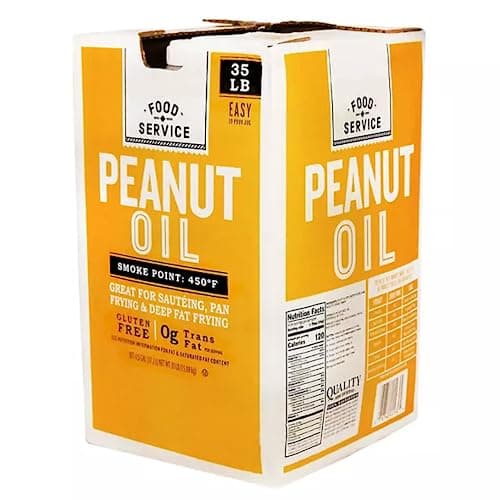 ANF Brands Pure Peanut Oil, 4.5 Gallon JugIf the old oil is going in the bin, this is the straightforward replacement for a 30-quart pot. | What you refill with | 9.0 |
Scores are our own editorial rubric, explained on how we pick. Four criteria per category, scored out of ten, so the leading pick is clear at a glance.
Step one: wait, properly
Nothing happens until the oil is at room temperature. Not warm — room temperature. Used cooking oil holds enough heat to cause a serious burn for an hour or more after the heat source is off, and a pot carried at that point is the most likely way anyone gets hurt on the day.
In practice this means the fryer stays where it is until the evening. Switch the burner off or unplug the unit, put the lid on to keep insects and debris out, and leave it. If it is outdoors and rain is coming, that is what the lid is for; water into warm oil is a mess, and water into hot oil is far worse.
Two things you can do while you wait, neither of which involves the pot:
- Set up what the oil is going into. A sealable container for disposal, or a clean jug and a fine strainer or cheesecloth if you are keeping it.
- Decide which it is. The sniff test is the practical one — a clean smell means the oil is probably fine, while bitter or metallic means it is done. Persistent foaming, a sharp darkening or smoking below frying temperature are the other signs. Can you reuse turkey fryer oil goes through all of it.
Step two: get the oil out
If the pot has a drain valve, as the Butterball Professional Series does, use it. Container underneath, valve open, done. This is the single best argument for buying a fryer with one.
If it does not, it is a two-person lift on anything over about two gallons. Long gloves, a steady grip on both handles, and a funnel into whatever you are filling. Do not try to pour three gallons of oil one-handed over a sink.
Keeping it? Strain as you pour — a fine mesh strainer with cheesecloth or a coffee filter catches the crumb that makes stored oil go rancid. Into an airtight food-grade container, labelled with the date, onto a cool dark shelf. Most kitchens get three to five fries out of a batch, and high-oleic and peanut oils outlast vegetable and soybean oil.
Binning it? Never down a drain, a sink or a storm drain — it clings to the pipe walls and it is a genuine cause of municipal blockages. Cooled oil into a sealable container, lid on, into the household bin, or to a cooking-oil recycling drop-off. The detail is in how to dispose of turkey fryer oil.
Step three: the pot, the basket and the lid
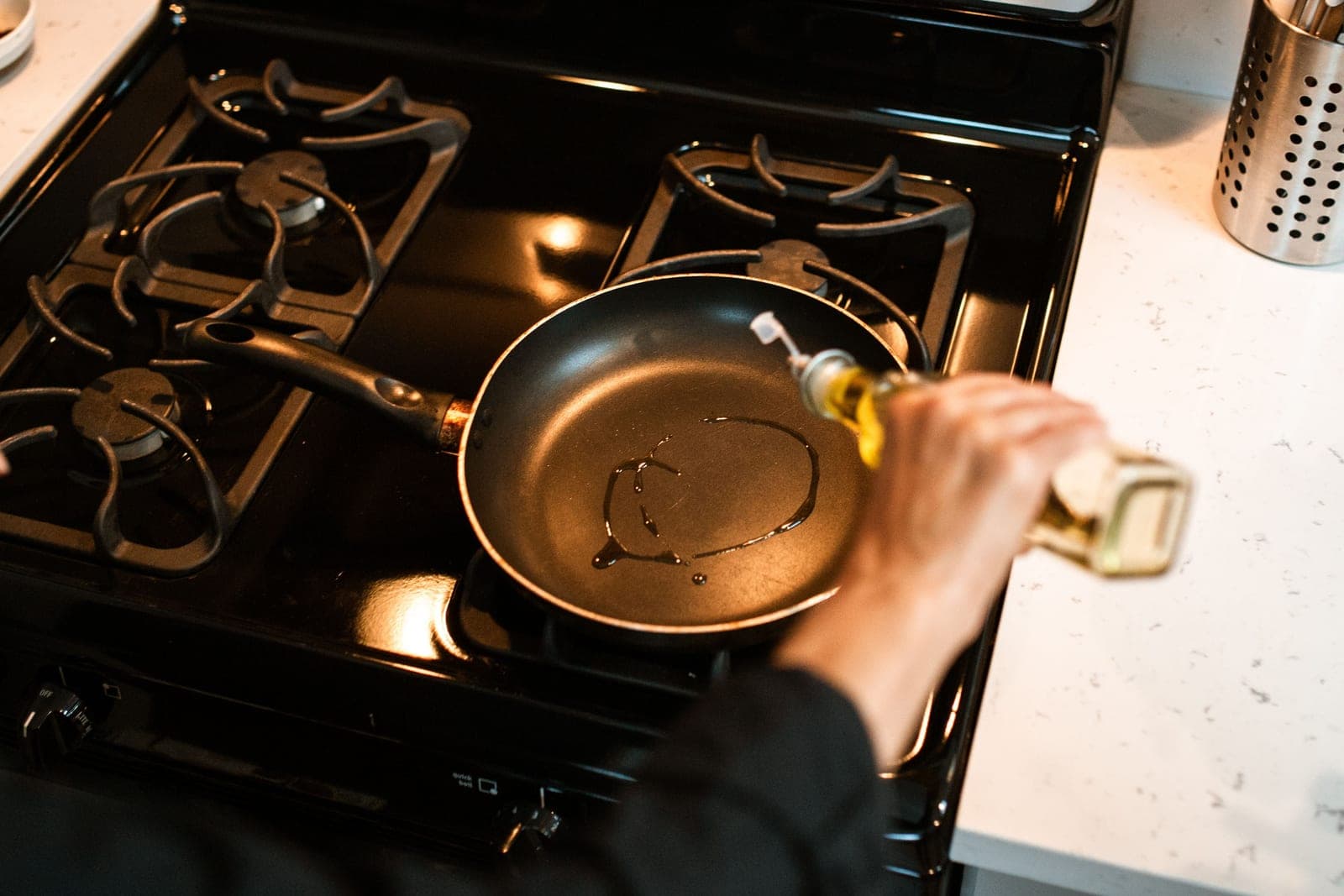
Wipe before you wash. Paper towel first, while there is still a film of oil in the pot. Oil and water do not mix, and skipping this step turns a two-minute wipe into a long fight with a greasy sink.
Hot water, dish soap, soft brush. Dish soap is formulated for exactly this. Fill the pot with hot soapy water, let it stand for fifteen minutes if there is a cooked-on film, then work it with a soft brush or a non-scratch pad.
Stainless can take more; aluminum cannot. On a stainless pot you can scour and, for a really stubborn film, simmer water and a little dish soap in the pot on a low burner for ten minutes to lift it. On aluminum, neither — harsh pads and caustic cleaners strip the surface and make it pit and grey. The full material comparison is in stainless vs aluminum fryer pots.
Basket, rack and hook. These carry the most baked-on residue because they sat against the bird. Soak them in the same hot soapy water while you do the pot, then brush. A perforated basket needs a brush pushed through from both sides.
Indoor electric fryers. The pot and basket on most indoor units lift out and some are dishwasher safe, including the Professional Series pot. The base with the element in it never goes near a sink — wipe it with a damp cloth and dry it. If oil has got into the housing, that is a manufacturer question, not a soapy-water one.
Step four: the burner, the stand and the hose
The outdoor half of the job gets skipped and it is the half that decides whether the rig lights properly next year.
Burner. Cold, disconnected from the tank. Brush the burner ring with a stiff brush to clear the ports — boil-over residue bakes onto them and a partially blocked burner has an uneven, yellowish flame. Do not use water inside the gas ports; a dry brush and compressed air if you have it.
Stand. Degrease it with hot soapy water and a cloth, check every bolt for tightness, and look for rust at the feet. A bolt-together stand that has loosened is the reason pots go over.
Hose and regulator. Wipe them clean and check the hose along its whole length for cracking, stiffness or splits, especially at the fittings. A perished hose is a replacement, not a repair. Store the hose loosely coiled rather than kinked.
Tank. Disconnect it and store it outdoors, upright, away from the house — never in a garage, a basement or a shed attached to the house.
Step five: dry it completely, then store it
Everything that comes out of soapy water gets dried before it is put away. A pot stored damp is how an aluminum pot pits and how a stainless one picks up surface spotting, and a damp basket in a garage grows a film over eleven months.
Towel dry, then air dry upside down for an hour. If the pot has sat in storage before and smells of old oil, a wash with hot soapy water and a thorough dry before the season is a five-minute job that saves a bad surprise.
Store the small parts inside the pot — rack, hook, thermometer, gloves — with the lid on. That way next November you carry one object out of the garage and everything you need is in it. Put a note inside with the date of the last fry and whether the oil in the jug beside it has been used once or three times.
Before the next fry, run the same checklist in reverse: pot clean and dry, burner ports clear, hose uncracked, bolts tight, extinguisher in date. The full pre-flight is in turkey fryer safety, and the accessories worth owning are in turkey fryer accessories.
The products, in detail
#ad We may earn a commission · Price as of October 17, 2026
#1 · What you handle it with
GEEKHOM 18 in Heat-Resistant Waterproof Cooking Gloves
Long-sleeve and waterproof, which is the pair that matters: hot oil splashes up your forearm, and a short glove just moves the burn.
- Length
- 18 in sleeve
- Rated
- To 932F
- Coating
- Waterproof neoprene, silicone grip
- Lining
- Cotton
What’s good
- 18 inch sleeve covers the forearm, which is where splashes land
- Waterproof neoprene, so hot oil and hot water both bead off
- Silicone grip holds a slick pot handle
- Useful for the roaster and the oven the rest of the year
What’s not
- Bulky — fine detail work is not their strength
- The cotton lining takes a while to dry if it gets wet inside
- Not a substitute for letting the oil cool
- One size, so they are loose on small hands
Protection
9.6
Grip
9.0
Comfort
8.2
Year-round use
8.8
#ad We may earn a commission · Price as of October 17, 2026
#2 · What makes cleanup easier next time
Bayou Classic Aluminum Turkey Fryer Basket, 30 qt
The accessory that turns a turkey pot into a year-round one — wings, potatoes, a seafood boil. Lowering a basket is also far steadier than hooking a bird.
- Fits
- Most 30 qt pots
- Material
- Aluminum
- Does
- Steam, boil, fry
- Handle
- Secure lifting handle
What’s good
- Fits most 30 qt pots
- A flat basket is easy to scrub and quick to dry
- Lowering a basket is steadier than hooking a bird
- Turns the pot into a wings, potato and seafood-boil rig
What’s not
- Aluminum, so no harsh scouring
- Another large item to store
- Does not fit every pot — check the diameter
- No handle insulation; gloves still required
Ease of cleaning
9.0
Steadiness in use
9.4
Versatility
9.2
Storage
7.6
#3 · What you refill with
ANF Brands Pure Peanut Oil, 4.5 Gallon Jug
Peanut oil is the default for a reason: a high smoke point and a flavour that does not fight the bird. One 4.5-gallon jug covers a 30-quart pot with margin.
- Volume
- 4.5 gallon jug
- Type
- Pure peanut oil
- Also
- Kosher certified
- Reuse
- Strain and refrigerate, 2-3 fries
What’s good
- High smoke point, which is the whole requirement for frying
- Neutral enough that it does not fight the bird
- A 4.5 gallon jug covers a 30 qt pot with margin
- Strains and stores for two to three further fries
What’s not
- Peanut is out if anyone at the table has the allergy
- A full jug is awkward to pour without a funnel
- Costs more per gallon than vegetable oil
- Needs a cool dark shelf for storage, not the garage floor in summer
Smoke point
9.4
Flavour
9.2
Reusability
9.0
Value
8.4
Frequently asked questions
Let the oil cool to room temperature and drain it out, wipe the residue with paper towel before any water goes in, then wash with hot water, dish soap and a soft brush. Stainless pots tolerate scouring and a simmer of soapy water for a stubborn film; aluminum pots do not — harsh pads and caustic cleaners pit and discolour them. Dry completely before storing.
Until the oil is at room temperature, which in practice means several hours. Used frying oil holds enough heat to burn for an hour or more after the burner is off, so a pot carried too early is the most likely injury of the day. Put the lid on and leave it until the evening.
Some, not all. Several indoor electric fryers have dishwasher-safe pots and baskets — the Butterball Professional Series does. The base unit with the heating element never goes in a dishwasher or a sink. Outdoor pots are generally too large anyway and are better done by hand.
Most of it is residue rather than the metal. Wipe the pot out with paper towel, wash with hot soapy water, and for a stainless pot simmer water with a little dish soap in it for ten minutes to lift the baked film. Dry it fully. If the smell survives storage, wash it again before the next fry rather than putting oil on top of it.
Yes, once a season at minimum. Boil-over residue bakes onto the burner ports and a partially blocked burner gives an uneven yellow flame and less usable output. Brush the ring with a stiff dry brush while the burner is cold and disconnected from the tank — no water in the gas ports.
Sources
Related reading
- How to Dispose of Turkey Fryer OilThe cool-down window, the container that works, where to take it for recycling, and the four disposal routes that will cost you a plumber.
- Can You Reuse Turkey Fryer Oil?How many fries a jug has in it, the cool-and-strain routine, how long strained oil keeps, and the four tests that say throw it out.
- Turkey Fryer Accessories Worth BuyingSix accessories ranked by how much they change the outcome — starting with the two safety items no kit includes.
- Stainless vs Aluminum Turkey Fryer PotThe material decision for a turkey fryer pot, settled on heat-up speed, durability, cleaning and cost — with three live pots that show each side of it.
- Turkey Fryer Safety: How to Do This Without IncidentTen ordered safety steps from published fire-safety and turkey-industry guidance, plus the gear that backs them up.