How Long to Fry a Turkey
Three to four minutes per pound at 350F. But the clock only tells you when to start checking — the thermometer tells you when it is done.
By Mike M. · Published · Last updated
How this page is funded: Fryer & Feast is a participant in the Amazon Associates Program. If you buy through a link here we may earn a commission, at no extra cost to you. It never changes which products we recommend — see how we pick and our full affiliate disclosure. We do not publish prices on this site — every buy link sends you to the retailer for the live price.
Fry a turkey for about 3 to 4 minutes per pound at 350F.
| Turkey weight | Start checking at | Expect it done by |
|---|---|---|
| 8 lb | 24 min | 32 min |
| 10 lb | 30 min | 40 min |
| 12 lb | 36 min | 48 min |
| 14 lb | 42 min | 56 min |
| 16 lb | 48 min | 64 min |
| 18 lb | 54 min | 72 min |
| 20 lb | 60 min | 80 min |
The bird is done when the thickest part of the breast reads 165F, not when the timer goes off.
Quick picks
| # | Product | Best for | Score | Price |
|---|---|---|---|---|
| 1 | 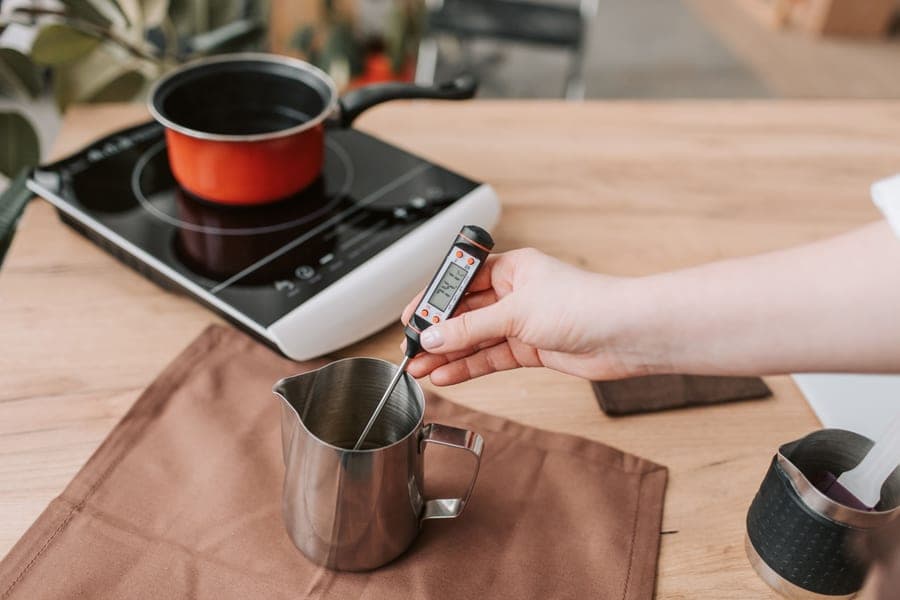 ThermoWorks Thermapen ONE Instant-Read ThermometerOne-second reads, accurate enough to act on a single check. | The tool that ends the guessing | 9.1 | |
| 2 | 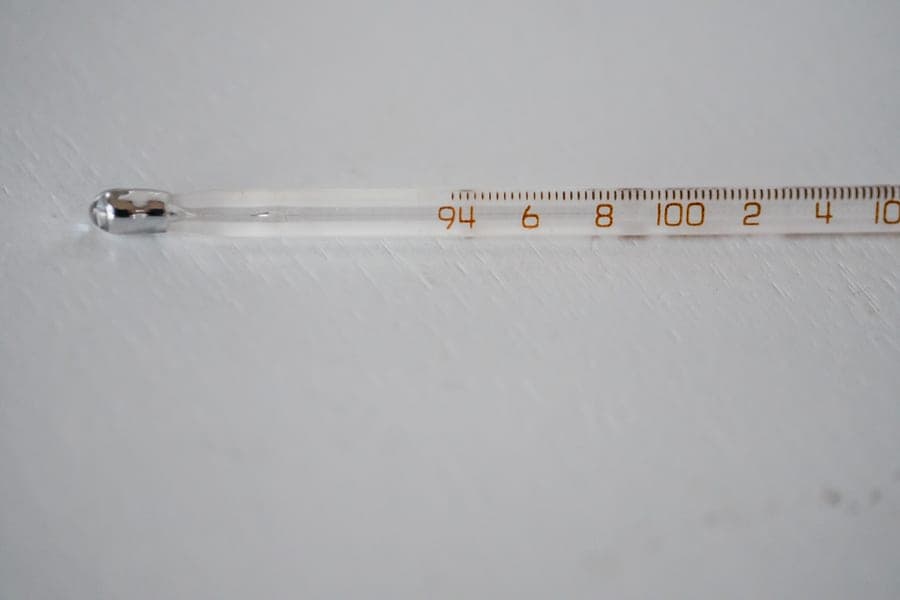 Clip-On Deep Fry Thermometer, 12 InchOil that drifts low adds time and ruins the skin. | For holding 350F | 8.7 |
Scores are our own editorial rubric, explained on how we pick. They are not customer ratings and we do not publish star ratings for products we have not handled.
Why the guidance is a range, not a number
The National Turkey Federation gives approximately three minutes per pound. Commercial frying guidance gives three and a half to four. Neither is wrong — they are describing the same cook under different conditions.
The variables that move your number:
- Oil recovery. A strong burner returns to 350F in a couple of minutes; a weak one takes ten, and every minute below temperature adds time.
- Wind and air temperature. A cold windy afternoon pulls heat out of the pot continuously.
- Starting temperature of the bird. Straight from a cold fridge takes longer than one that has sat out 30 minutes.
- Whether you keep lifting it out to check. Every check costs heat.
165F is the number that matters
Published food-safety guidance puts cooked poultry at an internal temperature of at least 165F, and that applies to a fried bird exactly as it does to a roasted one. No amount of golden skin substitutes for it.
Where to measure:
- Thickest part of the breast, from the side, avoiding bone
- Inner thigh, where it meets the body, avoiding bone
Both should read 165F or above. Bone conducts heat and will give you a falsely high reading, which is the most common way people undercook a turkey while believing they have not. The full method is in our thermometer placement guide.
Keeping the oil at 350F
Oil below 350F soaks into the skin instead of sealing it, which gives you the greasy result frying is supposed to avoid — and it stretches the cook. Oil above 350F browns the outside before the inside is done and moves you toward the smoke point.
Expect a 25-to-50 degree drop the moment the bird goes in. Turn the burner up to recover, then back down once you are at 350F again. On an indoor electric the thermostat handles this for you, which is one of the quiet reasons it is easier.
Resting time counts too
Give a fried turkey 20 minutes before you carve it. The meat is tense from a fast, hot cook and the juices need time to redistribute. Cut into it immediately and they run onto the board.
Use those 20 minutes to get the sides plated and warm. If the timing of everything landing hot at once is the part you are worried about, that is what our hosting checklist is for.
The products, in detail
#1 · The tool that ends the guessing
ThermoWorks Thermapen ONE Instant-Read Thermometer
One-second reads and the accuracy everyone else is measured against. If you buy one thing off this whole site, buy an accurate thermometer.
- Type
- Instant-read probe
- Read time
- About 1 second
- Accuracy
- Within about 0.5F
- Use
- Meat and oil spot checks
What’s good
- Fast
- Accurate
- Used all year
What’s not
- Expensive
- Not leave-in
Accuracy
9.8
Speed
9.7
Build
9.2
Value
7.8
#2 · For holding 350F
Clip-On Deep Fry Thermometer, 12 Inch
A dial that clips to the pot rim and reads oil temperature continuously. The built-in gauge on a cheap kit is often the thing that is wrong.
- Range
- Up to about 750F
- Stem
- 12 in, clears the rim
- Mount
- Pot-rim clip
- Reads
- Oil, not meat
What’s good
- Continuous oil reading
- Clears the rim
- Inexpensive
What’s not
- Oil only
- Dials drift — verify it first
Accuracy
8.4
Build
8.2
Ease of use
8.8
Value
9.2
Frequently asked questions
Three to four minutes per pound. A 14-pound bird takes roughly 45 to 55 minutes. Start checking at three minutes per pound and pull the bird when the breast reads 165F.
Roughly 60 to 80 minutes at 350F. Twenty pounds is also the ceiling for an indoor electric fryer, so on propane make sure the pot is large enough — see our sizing guide.
Easily. The cook is fast and the window between done and dry is narrow. That is exactly why an instant-read thermometer matters more when frying than when roasting.
At least 165F in the thickest part of the breast and the inner thigh, measured without touching bone. That is the published food-safety figure for cooked poultry.
Sources
Related reading
- How to Deep Fry a TurkeyThe whole process in order, with the numbers sourced — thaw, measure, heat to 350F, cook to 165F, rest.
- Where to Put a Meat Thermometer in a TurkeyExact probe placement, the target temperature, and why the pop-up timer should be ignored.
- The Best Meat Thermometers for TurkeyFour thermometers ranked — instant-read, wireless and leave-in — and why the fryer or oven gauge does not count.
- Turkey Fryer Safety: How to Do This Without IncidentTen ordered safety steps from published fire-safety and turkey-industry guidance, plus the gear that backs them up.
- What Size Turkey Fryer Do I Need?Pot size to bird weight, in one table — plus the guest-count math that tells you which bird to buy in the first place.