A Thanksgiving Cooking Timeline That Fits One Oven
The turkey is not the hard part. Getting eight dishes hot at the same time, through one oven, is — so you build the day backwards from the moment people sit down.
By Mike M. · Published · Last updated
How this page is funded: Fryer & Feast is a participant in the Amazon Associates Program. If you buy through a link here we may earn a commission, at no extra cost to you. It never changes which products we recommend — see how we pick and our full affiliate disclosure. Every buy link goes straight to the retailer, so the price you see is the live one on the day you buy.
Pick the time people sit down, then work backwards. A 16-pound bird needs roughly four hours plus a 40-minute rest, so for a 4pm dinner the turkey goes in around 11am. Everything that can be made two days ahead should be. The oven belongs to the turkey until the rest, then to the sides, and then to the rolls — in that order, never overlapping.
That is the whole method. The rest of this page is the hour-by-hour version for a 4pm dinner, the list of what genuinely keeps for two days, and the one piece of gear that makes a single-oven Thanksgiving stop being a logistics problem.
Quick picks
| # | Product | Best for | Score | Price |
|---|---|---|---|---|
| 1 | No image Oster 22-Quart Roaster Oven with Self-Basting LidIt takes the turkey out of the oven schedule entirely, which is the only change that makes the timeline comfortable. | The fix for the one-oven problem | 9.5 | |
| 2 | 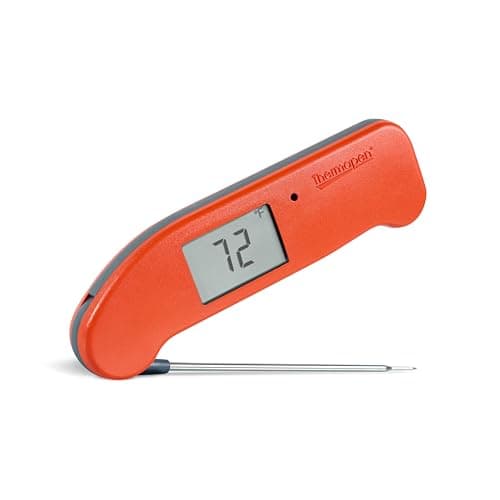 ThermoWorks Thermapen ONE Instant-Read ThermometerEvery time on this page is an estimate until a probe says otherwise. | The tool that keeps the timeline honest | 9.4 | $125.00 · View on Amazon #ad We may earn a commission · Price as of October 10, 2026 |
| 3 | 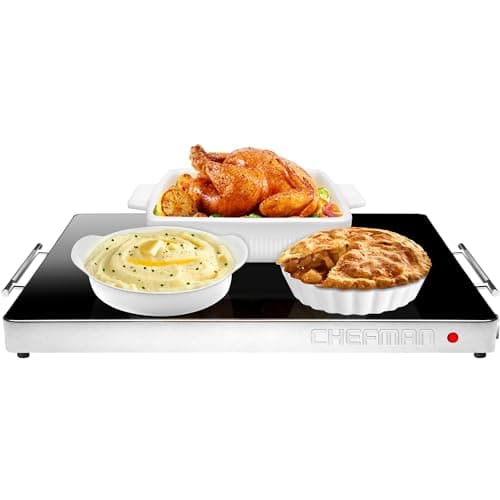 Chefman Electric Warming Tray, 21 x 16 inDishes finish at different times and people sit down late. This is the appliance that absorbs the difference. | What holds the gap between done and seated | 9.2 | $74.99 · View on Amazon #ad We may earn a commission · Price as of October 10, 2026 |
Scores are our own editorial rubric, explained on how we pick. Four criteria per category, scored out of ten, so the leading pick is clear at a glance.
Start at the end and work backwards
Do not start by asking what time to put the turkey in. Start by asking what time people eat, and build the day in reverse from there. It is the only version of this that holds together, because the turkey’s rest period and the oven’s availability are both fixed by that one decision.
Say dinner is at 4pm. Working back: the bird needs 30 to 40 minutes of rest, so it comes out around 3:20. At 15 to 20 minutes per pound, a 16-pound bird takes four to five hours, so it goes in between 10:30 and 11:15. Between 3:20 and 4:00 the oven is free for sides and rolls, and the carving happens at 3:50 so the slices are not sitting going cold.
Every number in that paragraph moves with your bird and your appliance. Check yours against frying times or roaster oven times before you write your own schedule, and use the slow end of the range. A bird that finishes early can be held. A bird that finishes late cannot be hurried.
Two days out: everything that keeps
This is where a calm Thanksgiving is actually won, and almost nobody does enough of it. A surprising amount of the meal is better made ahead and reheated than made fresh in a crowded kitchen.
Tuesday or Wednesday: cranberry sauce (genuinely better after two days), pie crust and pies, cornbread or bread cubes for stuffing, gravy base from wings or neck, brine if you are brining, peeled potatoes held in cold water, chopped onion and celery, and anything casserole-shaped assembled but unbaked.
Wednesday evening: set the table completely. All of it — cloth, plates, glasses, serving dishes labelled with what goes in them. It takes twenty minutes the night before and it is impossible on the day. Our table setting guide covers the layout, and the hosting checklist is the full countdown of what to buy and when.
What does not keep: mashed potatoes made more than a day ahead, anything meant to be crisp, rolls baked early, and the turkey itself. Those are the day-of jobs, and the timeline below is built around them.
The day itself, for a 4pm dinner
Adjust every time by the difference between your dinner hour and 4pm, and by your own bird’s cooking time.
- 8:00am — turkey out of the refrigerator. A bird that starts cold runs late, and this is the most common cause of a timeline collapsing. Pat it dry; if you are frying, dry is a safety requirement, not a preference.
- 9:30am — oven on. Bake the casseroles you assembled on Wednesday now, while the oven is otherwise idle, and set them aside. They reheat in twenty minutes later.
- 10:45am — turkey in. Note the time on paper. Set a timer for the early end of the range, not the late end.
- 11:00am to 2:00pm — hands off the bird. This is the window for potatoes, vegetable prep, pie finishing and clearing the kitchen. Do not open the oven or the roaster to look; every opening costs you heat and pushes the finish time out.
- 2:00pm — first temperature check. You are looking for the thigh, not the breast. You expect it not to be ready; you are finding out whether you are ahead or behind.
- 2:45pm — mash the potatoes, finish the gravy with the drippings you have, warming tray on.
- 3:20pm — bird out, tented loosely with foil, resting on a board. Oven now free. Sides in to reheat.
- 3:40pm — rolls in. Sides out and onto the warming tray as the oven frees up.
- 3:50pm — carve. Ten minutes before people sit, not twenty, so the slices are still hot.
- 4:00pm — sit down.
Write your version of this on paper and stick it to a cupboard door. Not on a phone — the phone will be somewhere else at 3:20.
The one-oven bottleneck, solved three ways
Look at that timeline and the squeeze is obvious: between 3:20 and 4:00 you need the oven for reheating sides and baking rolls, at two different temperatures, in forty minutes. Something has to give. There are three real ways out.
Move the turkey out of the oven. A roaster oven or a fryer takes the bird off the oven schedule completely and the whole afternoon relaxes. This is the biggest single improvement available and it is why it is the first pick on this page.
Hold instead of reheating. Finish sides early and hold them above 140°F on a warming tray, in a buffet server or in a chafing dish rather than reheating them at the last minute. Holding is a scheduled activity; reheating is an emergency. See how to keep food warm for a party.
Cook sides on the stovetop or in a slow cooker. Green beans, carrots and gravy do not need an oven. Mashed potatoes hold beautifully in a slow cooker on warm. Every dish you move off the oven is forty minutes you get back.
Why holding is the skill that matters
Nobody sits down when they said they would. Someone arrives late, someone is still on the phone, and the twenty-minute slip you did not plan for is the thing that turns a good meal into a lukewarm one.
The rule is simple and it is not negotiable: hot food has to stay at or above 140°F, and the 40°F-to-140°F band is where bacteria multiply. Two hours sitting out at room temperature is the limit. So the plan has to include where food waits, not just when it finishes.
Practically: the turkey rests tented on a board and is fine for 40 minutes. Sides go onto a warming tray or stay in a roaster on its lowest setting. Gravy stays on the stove on the lowest flame. Rolls come out last and go straight to the table. If you plan the holding, the slip costs you nothing.
The products, in detail
#1 · The fix for the one-oven problem
Oster 22-Quart Roaster Oven with Self-Basting Lid
The default answer for most first-time hosts. Twenty-two quarts takes a 26-pound bird, and the dimpled self-basting lid drips condensation back down so you are not opening it every 30 minutes.
Every difficult Thanksgiving timeline is the same problem: one oven, one temperature at a time, and a turkey occupying it for the four hours you also need for potatoes, stuffing, casseroles and rolls. You cannot schedule your way out of that. You can only move something out of the oven.
A roaster oven is the cheapest way to do it. The bird goes on the counter instead of in the oven, and suddenly the oven is a free resource from breakfast onwards. That single change is worth more to the day than any amount of clever sequencing, which is why it leads this page rather than a gadget.
Times and temperatures for a bird in one are in the roaster oven cooking times chart, and the honest trade-offs against frying are in roaster oven versus turkey fryer.
- Capacity
- 22 qt
- Max bird
- Up to 26 lb
- Lid
- Self-basting
- Insert
- Removable enamel pan
What’s good
- Cooks a bird up to 26 lb without touching your wall oven
- Frees the oven for four hours, which is the whole bottleneck
- Self-basting lid means you are not opening it and resetting the clock
- Becomes the warm-hold for sides once the turkey is resting
- Removable enamel insert goes in a sink rather than needing the appliance at the faucet
What’s not
- Soft skin unless you give it ten minutes under the broiler at the end
- No faster than the oven — this is about scheduling, not speed
- A 22-quart box has to live somewhere the other eleven months
Schedule impact
9.8
Capacity
9.4
Ease of use
9.4
Value
9.2
#ad We may earn a commission · Price as of October 10, 2026
#2 · The tool that keeps the timeline honest
ThermoWorks Thermapen ONE Instant-Read Thermometer
One-second reads and the accuracy everyone else is measured against. If you buy one thing off this whole site, buy an accurate thermometer.
- Type
- Instant-read probe
- Read time
- About 1 second
- Accuracy
- Within about 0.5F
- Use
- Meat and oil spot checks
What’s good
- One-second reads, so checking does not cost you oven heat
- Lets you pull the bird at the right moment rather than the scheduled one
- Checks stuffing and reheated sides as well as the turkey
- The difference between a timeline and a guess
What’s not
- Instant-read rather than leave-in — you have to go and check
- Premium price for one job
- Needs a second thermometer if you want continuous monitoring
Accuracy
9.8
Speed
9.8
Build
9.4
Value
8.4
#ad We may earn a commission · Price as of October 10, 2026
#3 · What holds the gap between done and seated
Chefman Electric Warming Tray, 21 x 16 in
The size is the point: 21 by 16 inches takes three serving dishes at once, which is the difference between a warm buffet and one warm side dish.
- Surface
- 21 x 16 in tempered glass
- Control
- Adjustable temperature
- Holds
- About 3 dishes
- Clean
- Wipe-down glass top
What’s good
- 21 x 16 in surface takes several serving dishes at once
- Holds above the 140F safe-hold line without cooking anything further
- Frees the oven for the rolls while the sides wait
- Doubles for a New Year's buffet, so it is not a once-a-year purchase
What’s not
- Holds, does not reheat — food has to go on hot
- Needs counter space and an outlet near the serving area
- Dry heat, so uncovered dishes will develop a skin
Holding
9.2
Capacity
9.0
Ease of use
9.4
Value
9.0
Frequently asked questions
Around 10:45am for a 16-pound bird. Allow 15 to 20 minutes per pound plus a 30-to-40-minute rest, and start from the slow end of the range. Work backwards from your own dinner hour and your own bird weight rather than copying a time.
Cranberry sauce, pies and pie crust, bread cubes or cornbread for stuffing, gravy base, brine, peeled potatoes held in water, chopped aromatics, and any casserole assembled unbaked. Mashed potatoes, rolls and anything meant to be crisp are day-of jobs.
Thirty to forty minutes, tented loosely with foil on a board. It keeps the juices in the meat rather than on the board, and it hands you the oven window you need for sides and rolls. Carve about ten minutes before people sit down.
Move the turkey out of it — a roaster oven or a fryer frees the oven for four hours. Then hold finished sides above 140°F rather than reheating them at the last minute, and push whatever you can onto the stovetop or into a slow cooker.
Two hours at room temperature. Hot dishes need to stay at or above 140°F, because the 40°F-to-140°F range is where bacteria multiply. A warming tray, a buffet server or a roaster oven on its lowest setting all solve this.
Putting a refrigerator-cold bird straight into the oven and starting the clock. It adds time nobody budgeted for and it is the usual reason a 4pm dinner becomes a 5pm dinner. Take the turkey out early and check the temperature well before you think you need to.
Sources
Related reading
- The Thanksgiving Hosting ChecklistTwo weeks to zero hour, day by day — with the thaw math and the final hour broken down minute by minute.
- Hosting Thanksgiving for the First TimeThe honest overview — what goes wrong, what to skip, and the four decisions that actually matter.
- The First-Thanksgiving Starter KitSeven purchases in priority order for a first holiday meal, plus what every other list gets wrong.
- Roaster Oven Cooking Times and TemperaturesThe turkey chart, the ham chart, the stuffed-bird adjustment, and why the dial on the lid is the number you should trust least.
- How to Keep Food Warm for a PartyEight methods ranked, with the 140F safety floor explained and the dishes that simply will not hold.
- Thanksgiving Dinner on a BudgetThe four purchases worth making, the five to skip entirely, what disposables genuinely solve, and how to feed a crowd without buying a second appliance.